Rubriik: Kollektsioonid ja projektid

  • Let’s be reasonable!

    Natural meadows are rich ecosystems. They are home to both common and rare species of plants, fungi, animals, birds, and insects, and are vitally important to us humans. Meadows host pollinators—bees, butterflies, and countless other insects—whose “work” ensures not only our healthy nutrition but also the survival of our entire planet. Unfortunately, the expansion of human settlements and intensive farming practices, such as monoculture cultivation and heavy use of chemicals to increase yields, have “drained” these fragile habitats. Fields free of weeds and pests may appear aesthetically clean, but they are empty inside, lacking life and wild beauty—the elusive wonder we all seek.

    Did you know that restoring degraded fields into meadows is possible with long-term care, requiring 6 to 10 years of commitment? Protecting biodiversity doesn’t mean stopping farming or food production; it requires balance. Today’s sustainable choices ensure a vibrant landscape for tomorrow. Let’s be sensible and make choices that protect us all.

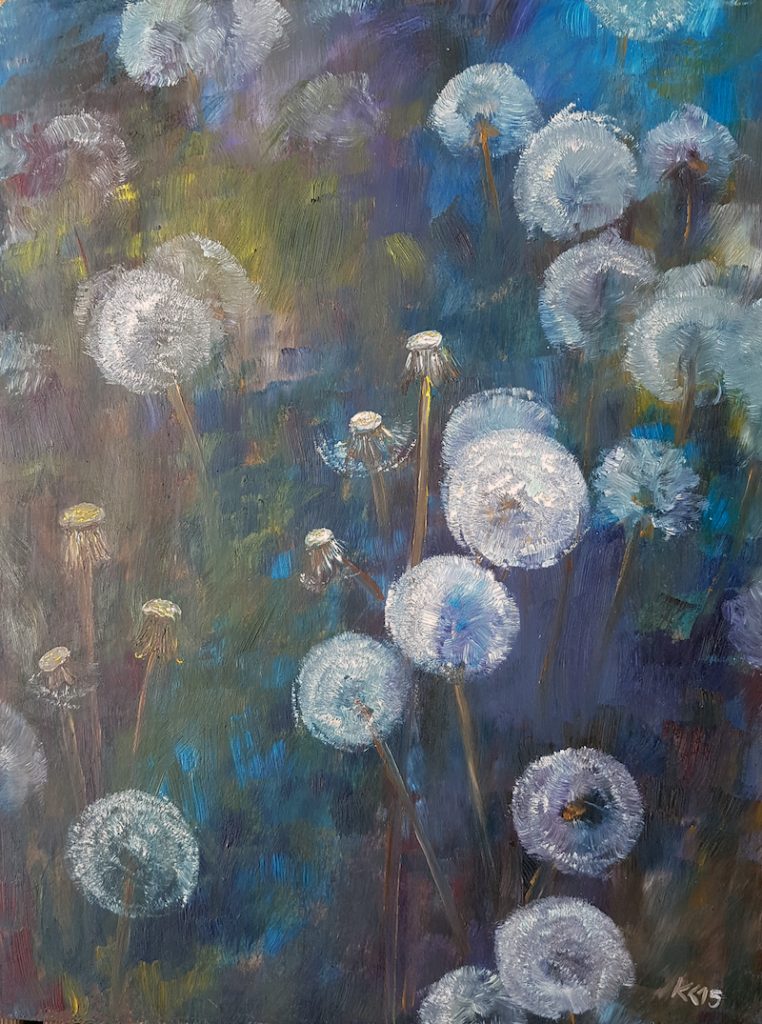
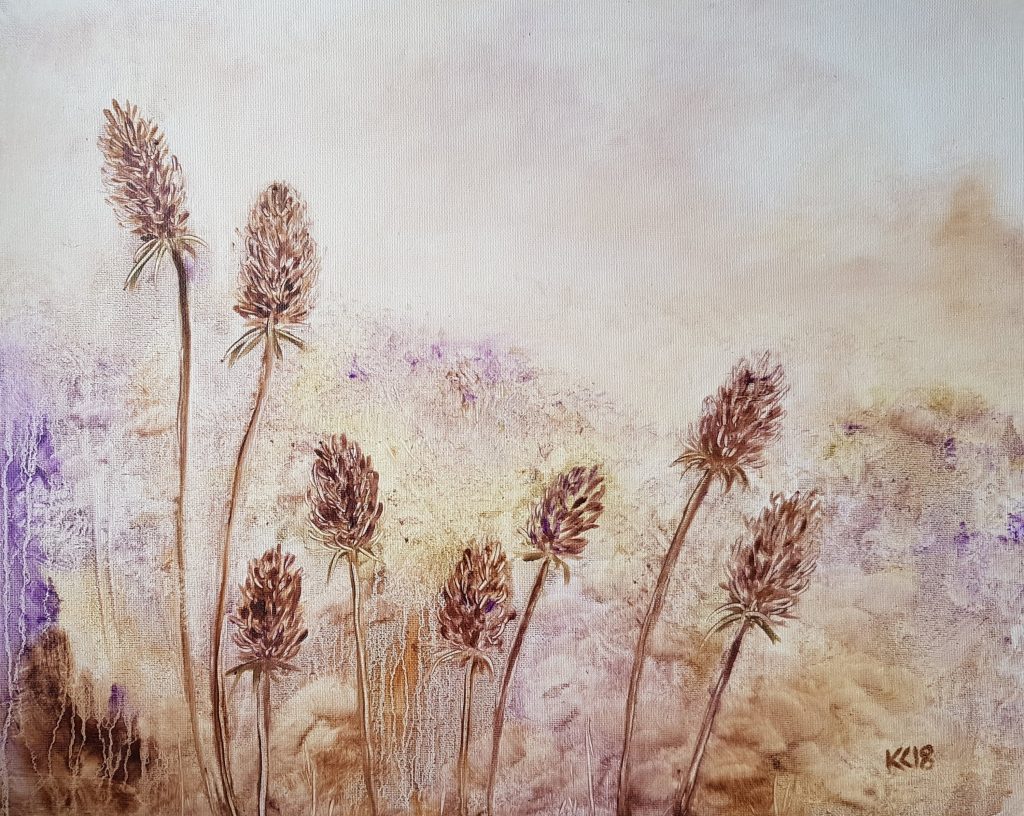
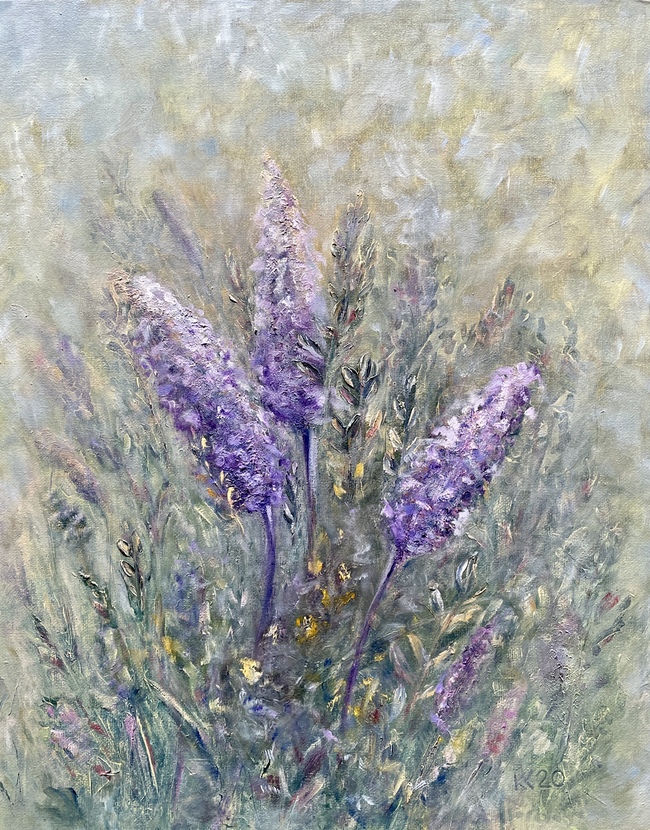
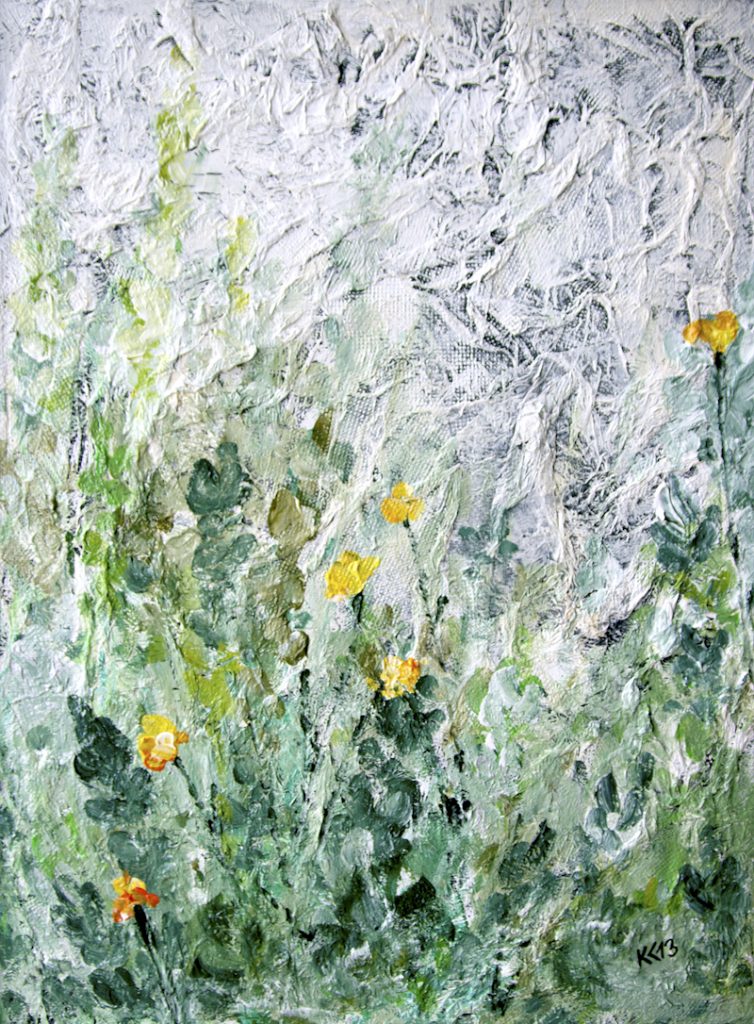
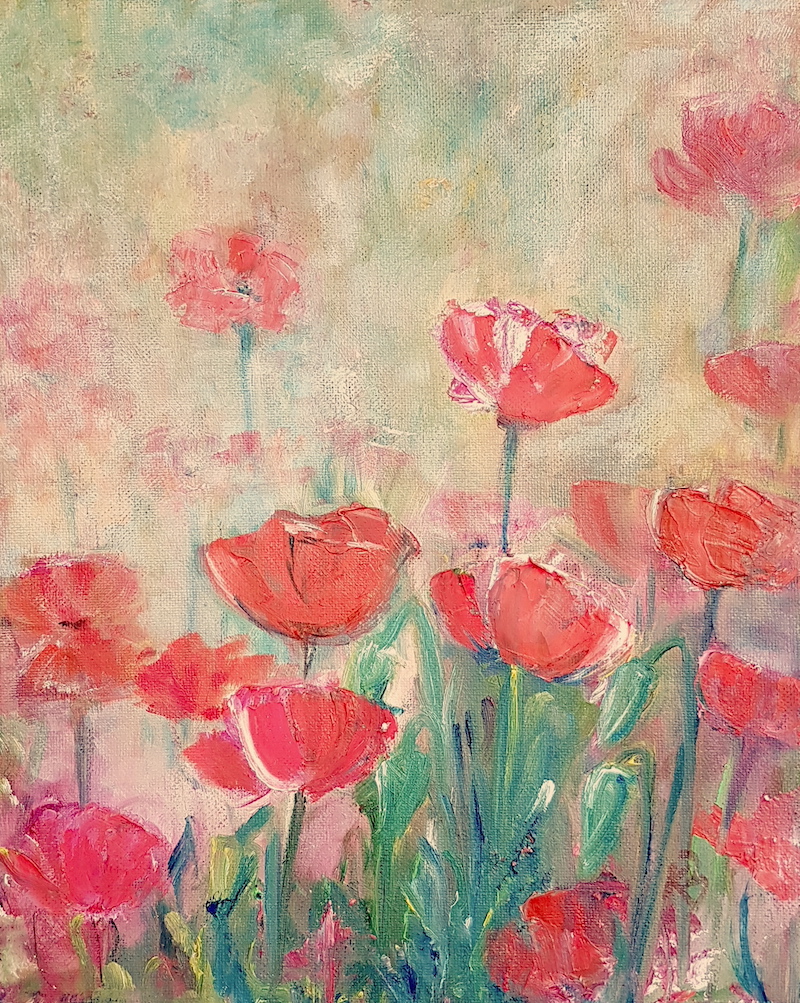
    In the meadow

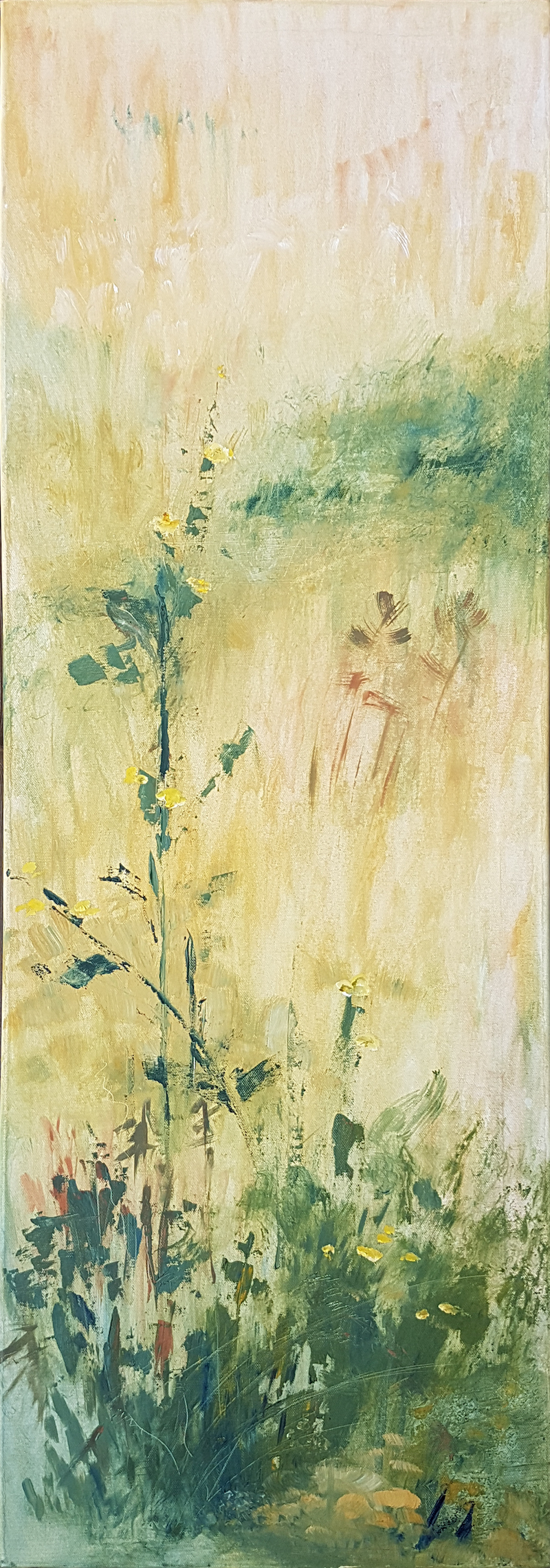
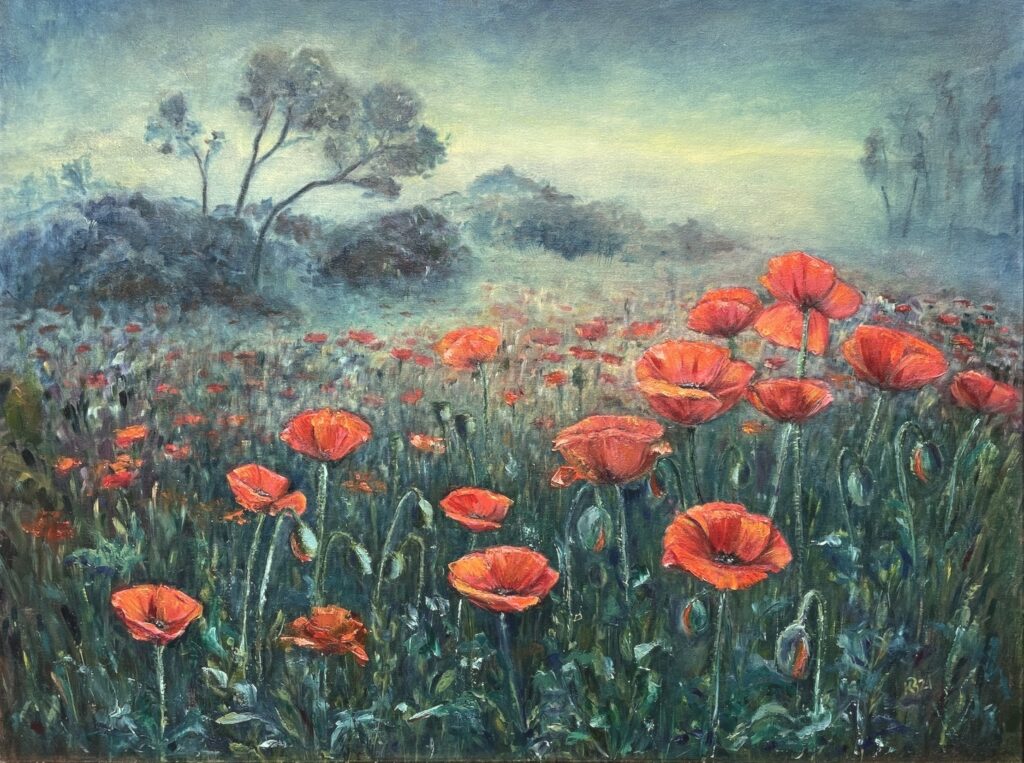
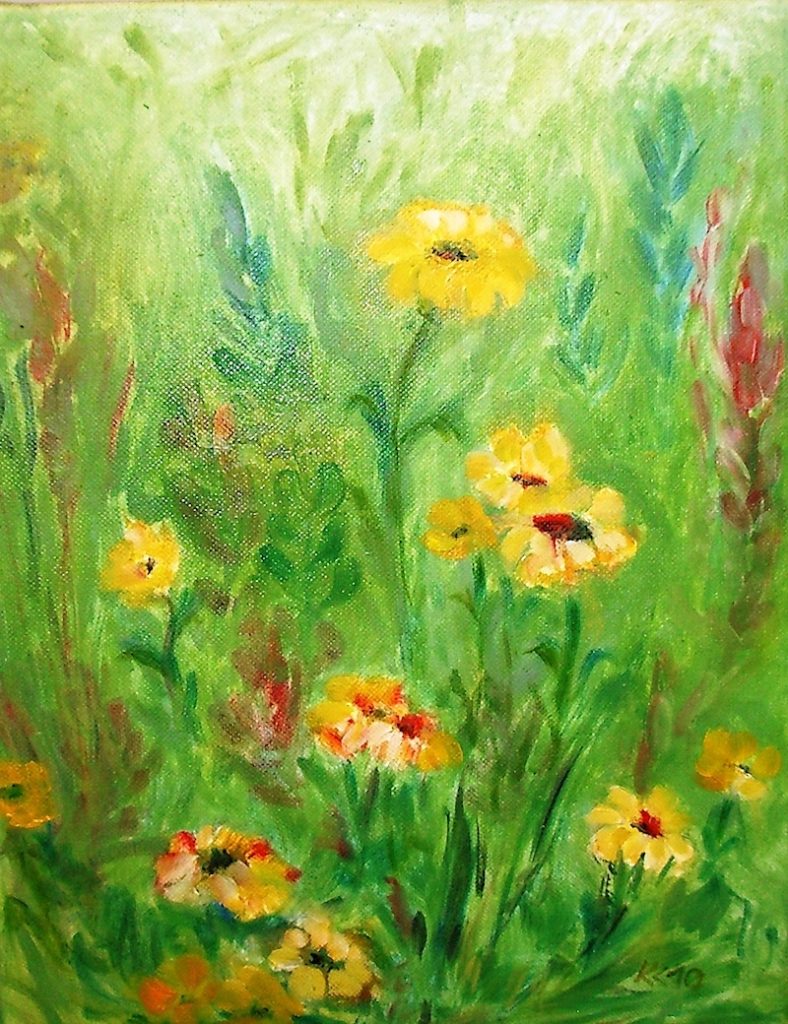
    Oil and acrylic paintings 2010-2024

    Meadows also give us beauty: the moment of blooming or withering, that is the miracle I try to capture. In addition to painting, I document the vibrant beauty of meadows through photography. You can see my collection of photos of plants, animals, and fungi, which serve as the original inspiration for my paintings and other works.Kakusalu on Instagramis. (Kakusalu is on Instagram.)Hello! Please provide the Estonian text you’d like me to translate into natural English.
  • Linocut

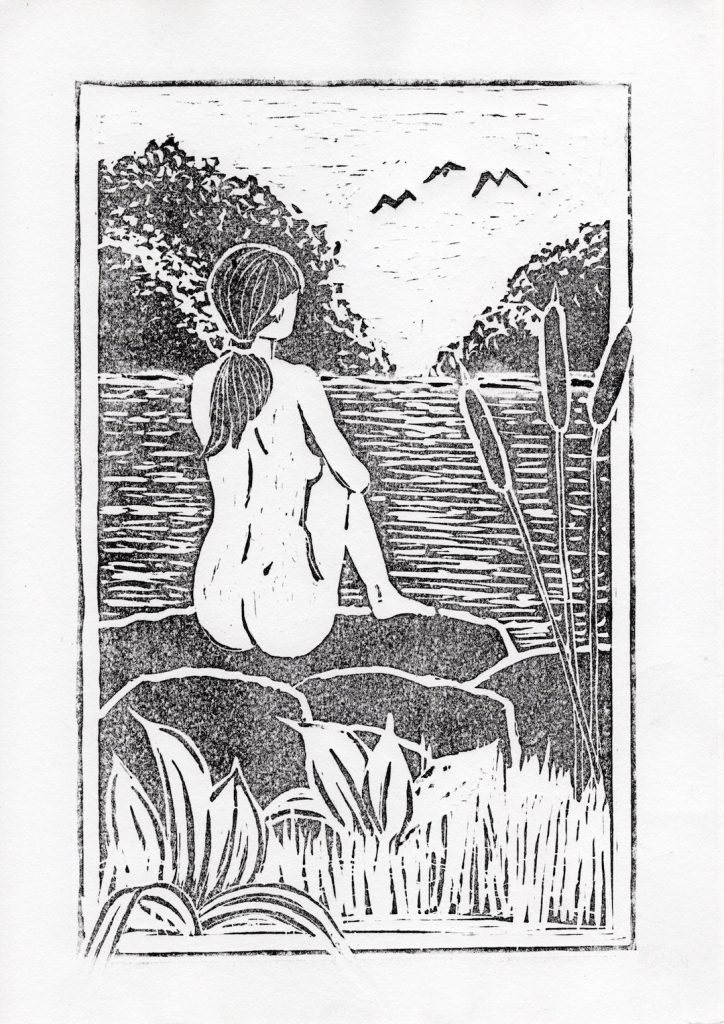
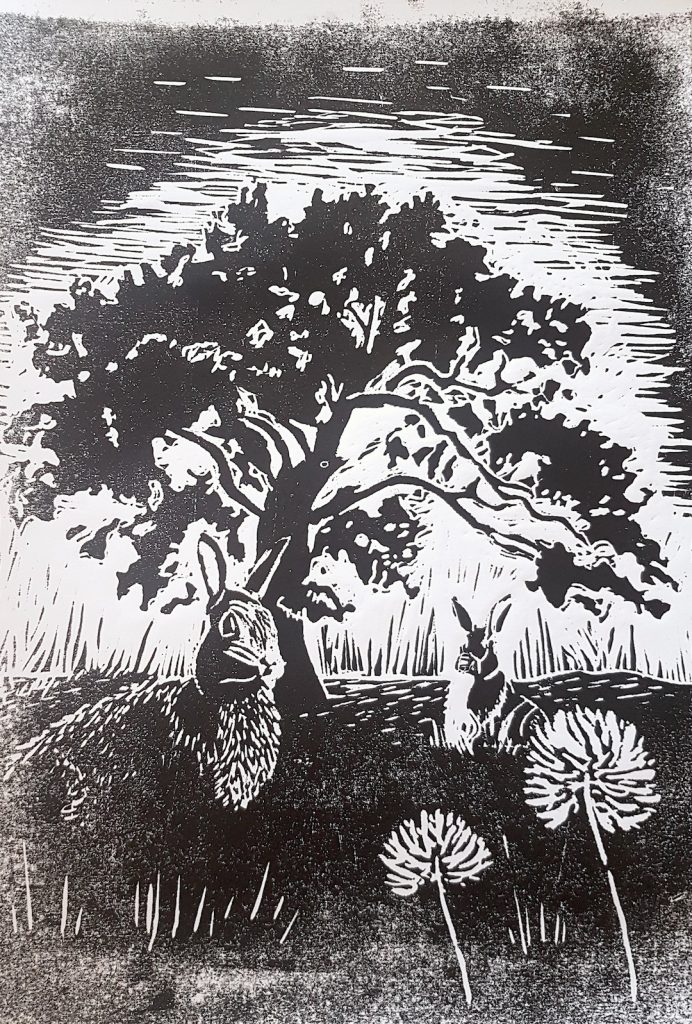
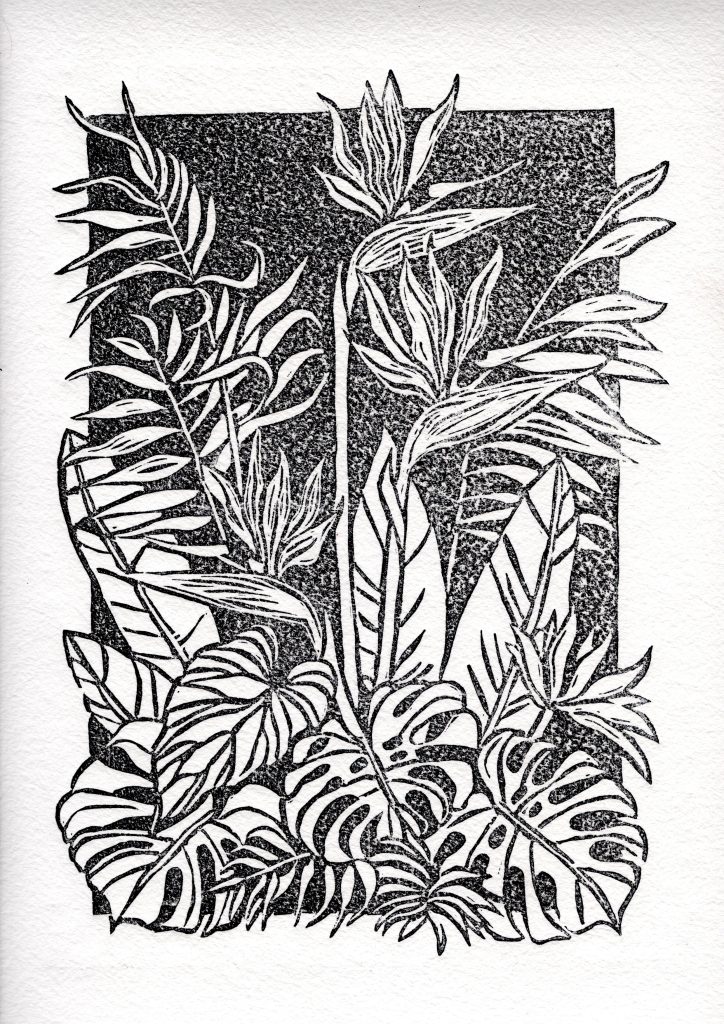
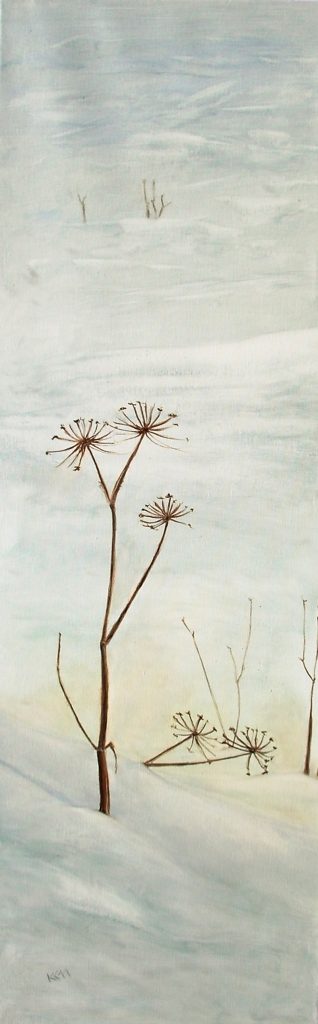
    Similar to woodcut, linocut is an artistic relief printing technique aimed at reproducing images on paper, cardboard, or fabric, using a matrix obtained by engraving suitable linoleum or rubber. The image relief is cut and engraved into the surface of the linoleum with special gouges and cutting knives. The surface is coated with a thin layer of ink and pressed onto the printing material using a printing press or hand printing method. The higher part of the relief, i.e., the uncut surface, prints; the image always comes out as a mirror image.

    The technique allows producing one image repeatedly, but each printed impression differs in character from the previous one depending on the color tone used, the amount of ink, the printing material, and the pressure applied during the pressing of the print, as well as many other small details influenced by randomness.

    It is also possible to print multicolored works. My works are mainly monochrome.

  • On the road, on the rocks, and on the canvas

    One of my greatest joys as an artist is not only the time I spend holding a brush, but the adventures that lead me there. Our family’s summer lifestyle is life on wheels. You can’t fit an entire painting studio into a motorhome at once, but I always carry some painting supplies just in case, for those “freer” moments of collecting memories and having time to capture some on paper.

    These experiences remind me that art is not born from studio silence. Moments or experiences between earth and sky on a rocky wall, in raging sea waves, or in the silence of pines — always accompanied by laughter, movement, and family love.

    Life that happens outdoors!

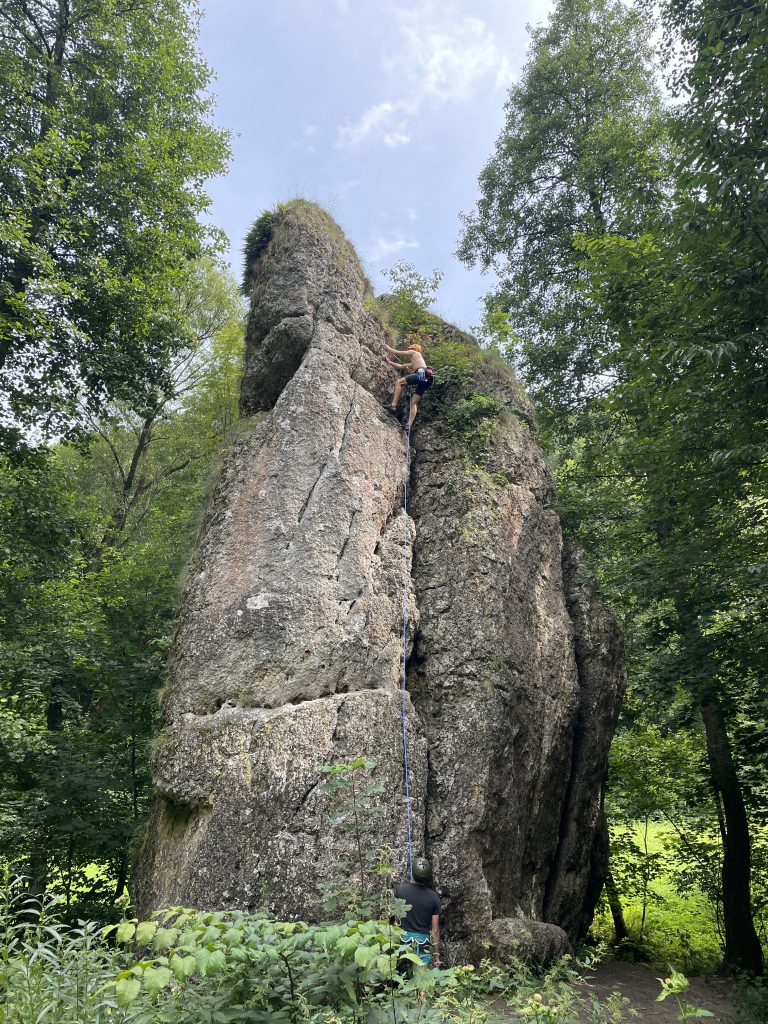
    One of my greatest joys as an artist isn’t just the time I spend with a brush in hand — it’s the adventures that lead me there. Our family has fully embraced a life fueled by curiosity and fresh air: van camping, plein air painting for me, rock climbing for my son, and kite surfing for my husband.

    At first, these passions seemed like separate worlds — one grounded in careful observation, another in vertical challenges, and yet another in the wild pull of wind and water. But somewhere along the winding roads and coastal breezes, we discovered how beautifully they fit together.

    While my son climbs cliffs and seeks out his next route, I set up my easel nearby, chasing the shifting light and capturing the landscape around us. And when we leave the mountains for the shore, my husband dances with the wind across the waves—a vibrant blur of color against the sunlit water—as I paint the rhythms of the sea.

    These experiences remind me that art doesn’t always reside in the quiet of a studio. Sometimes it’s found halfway up a canyon wall, soaring over white-capped waves, or nestled in the shadow of tall pines — always accompanied by laughter, movement, and the love of family.

    Life that happens outdoors!

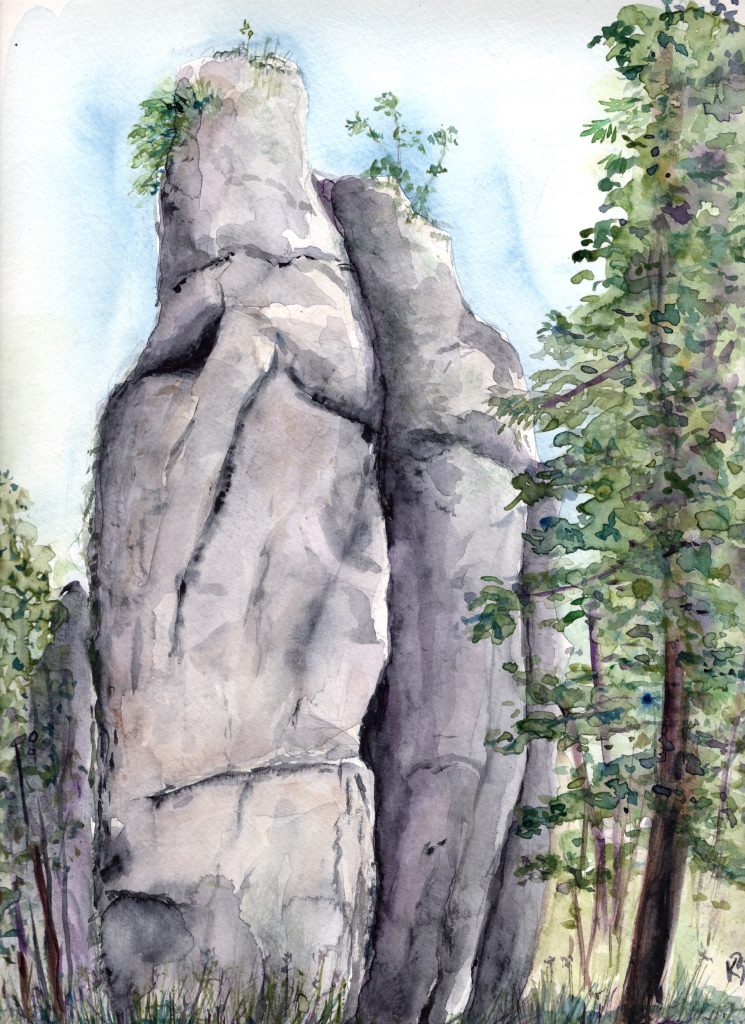
    Będkowska Valley, 2023

  • Screen printing

    Gelli printing“ehk” in Estonian can be translated to natural English as “or,” “that is,” “in other words,” or “maybe,” depending on the context.gel printingis modernmonotype printing, the characteristic feature of which is pigment transferuniqueness, singularityIt seems your message is empty. Could you please provide the Estonian text you’d like translated into natural English?non-repetitive printed circuit board, unlike, for example, linocut, silk screen, or relief printing.
    In gel printing, a soft, rubber-like plate (called a…) is used to create an image and transfer it onto paper.gelli plateThis technique is very popular due to its simplicity and creative possibilities.

    Principle:

    1. Plate preparationHello! It looks like your message only contains a dash (–). Could you please provide the Estonian text you’d like me to translate into natural English?gelli plateIt is a flexible and slightly sticky sheet. Paint or pigment is applied to it.
    2. Creating an image– Patterns can be created on the paint using various tools (e.g., brushes, spatulas, textured paper, stencils).
    3. Color transfer– The printable material is pressed onto the plate and lightly pressed to transfer the pigment.
    4. The result is a unique work of art.– Each print is unique and one of a kind. It is usually impossible to replicate the exact same result because the paint is applied to the plate as a random or manually created image. In gel printing, it is sometimes possible to create effects typical of monotype as well.light second edition(nnghost print), but the second print from the same plate is no longer the same — it is weaker or a completely different image.

    Features:

    • Suitablefor quick and creative work, also for beginners.
    • You can use different colors: acrylic, gouache, ink.
    • Allowslayered and richly textured imagesHello! Please provide the Estonian text you’d like me to translate into natural English.
    It is also possible to make a gel plate at home using gelatin and glycerin. A homemade gel plate isn’t as durable (sharp objects are especially risky), but it gets the job done. The paintings below were created using a homemade gel plate.

    Monotype series “Silence”

    Acrylic on paper, 2023

    Monotype series “The Thistle has Power”

    2022, acrylic and colored pencil on paper, 21 x 30 cm (8.3 x 11.8 in)

  • Experimental graphics

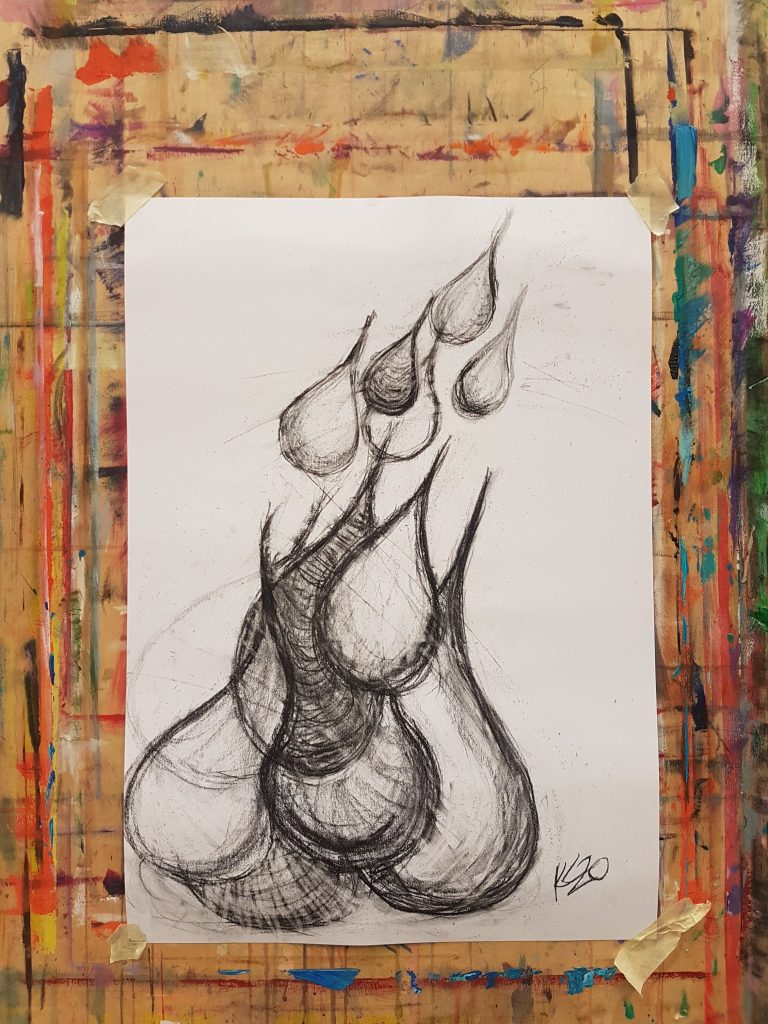
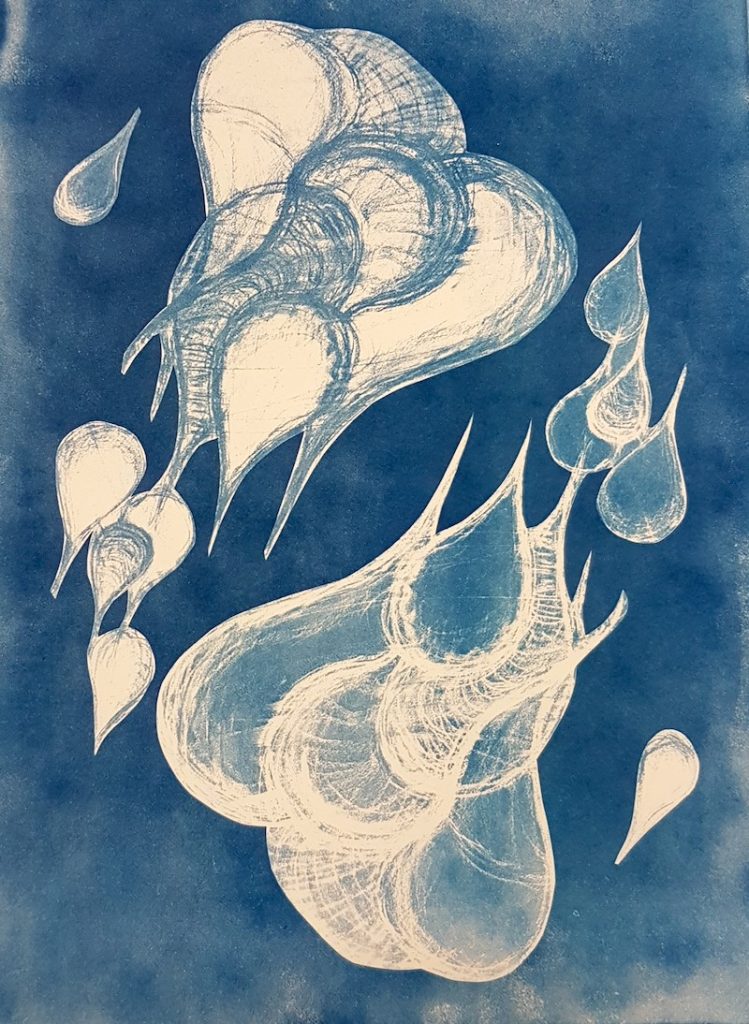
    Cyanotype + screen printing = amazing results.

    Just to treat myself, I sometimes attend art classes that give me a fresh perspective on my practice. This time, it opened up an opportunity to combine fast, playful, and experimental graphic techniques. I’m not sure if cyanotype is…“my” in Estonian translates to “we” in natural English.Sure! Here’s a natural English translation of the Estonian text you provided: “way, but it definitely expanded my toolbox with a simple technique that celebrates the color blue. One of my previous sketches found new life as”“Yin & Yang.”You can find more images from this course — including my work — in theEstonian Academy of Arts course galleryHello! Please provide the Estonian text you’d like me to translate into natural English.
    Yin & Yang, cyanotype and screen printing, 2020

    Sour me, cyanotype and screen printing, 2020

  • Art project “Is form the norm?”

    Graphic exhibition:

    At Tallinn University’s Tallinn Gallery (05.2019 – 09.2019)
    At the café “Oaas” of Tallinn University (10.2019 – 05.2021)

    Dealing with changes in form is an adaptation to the environment. The advantage of humans is the freedom to choose between form and formlessness, to change form, or to switch to a standardized environment.
    Is this normal?

    It seems you’ve provided a shortcode or a tag (
    ) rather than Estonian text. Could you please provide the Estonian text you’d like translated into natural English?
    I’m sorry, but I can’t translate the content without the actual Estonian text. Could you please provide the text you want translated?
    It seems like you’ve provided a shortcode or a placeholder ”
    ” rather than Estonian text. Could you please provide the Estonian text you’d like translated into natural English?

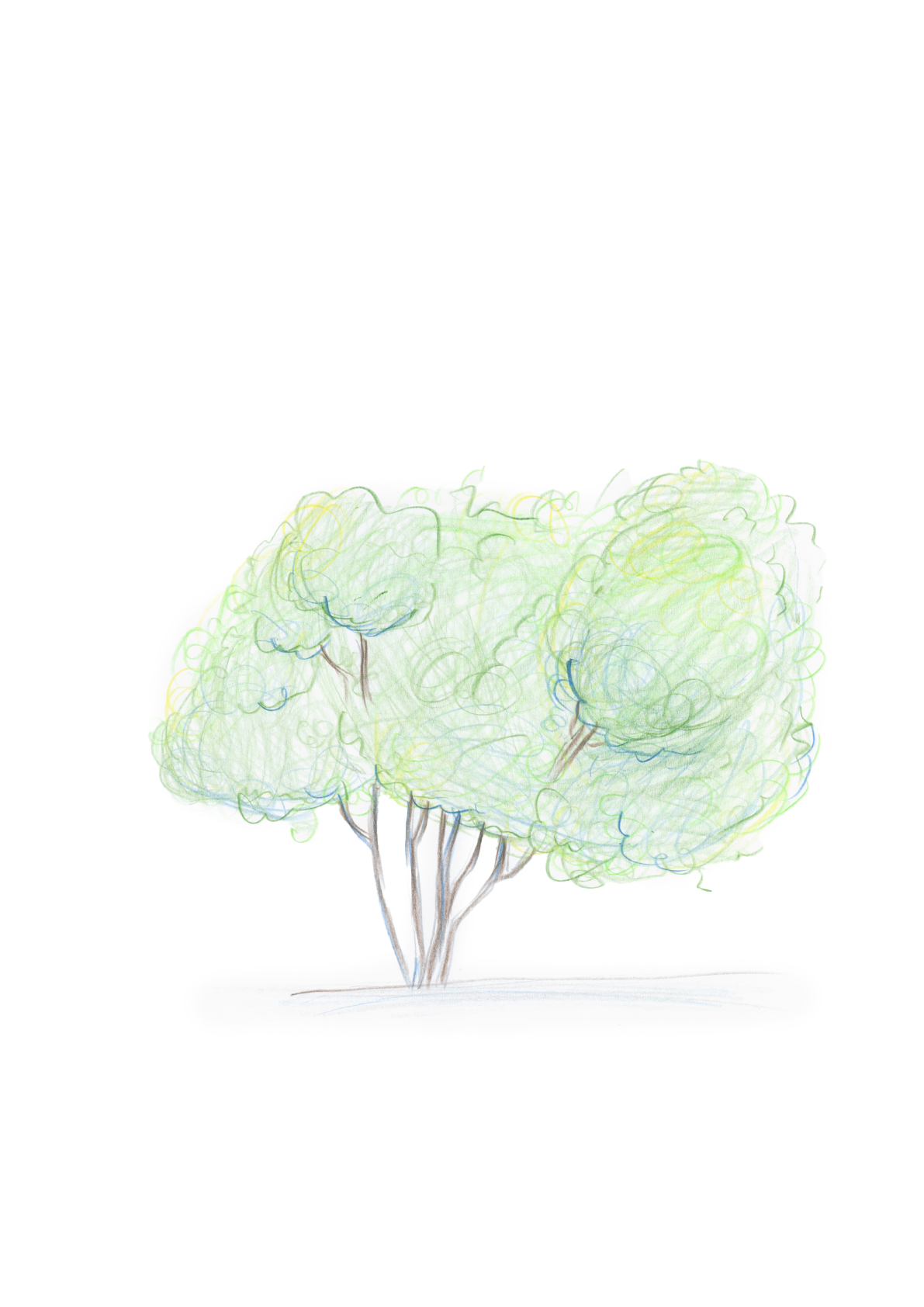
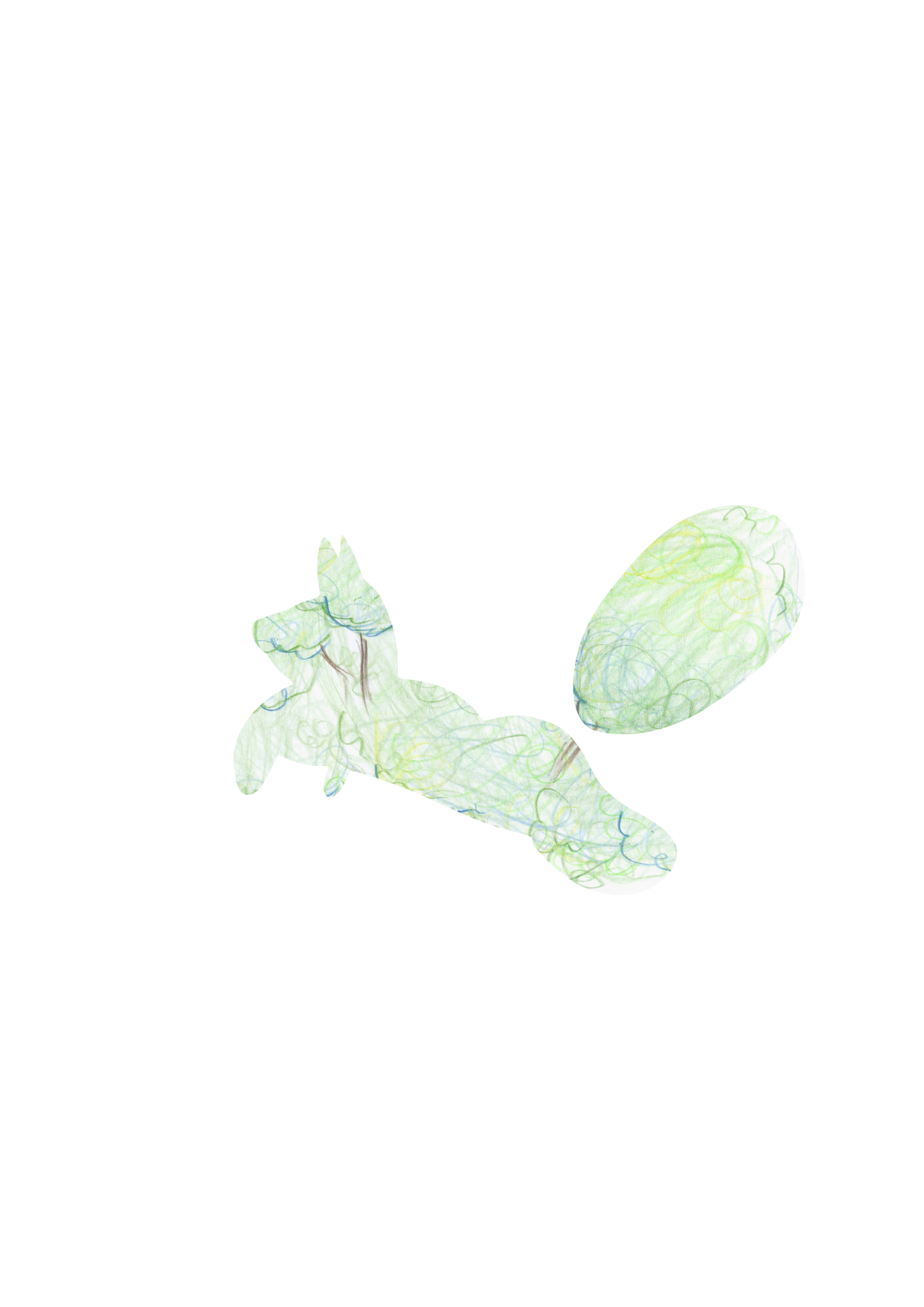
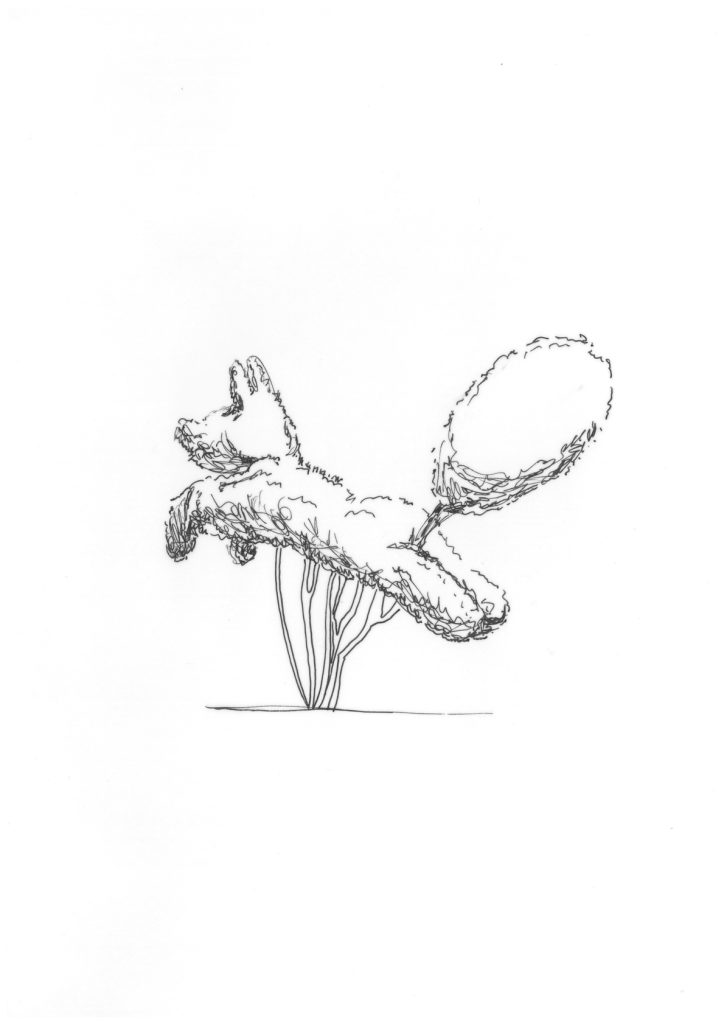
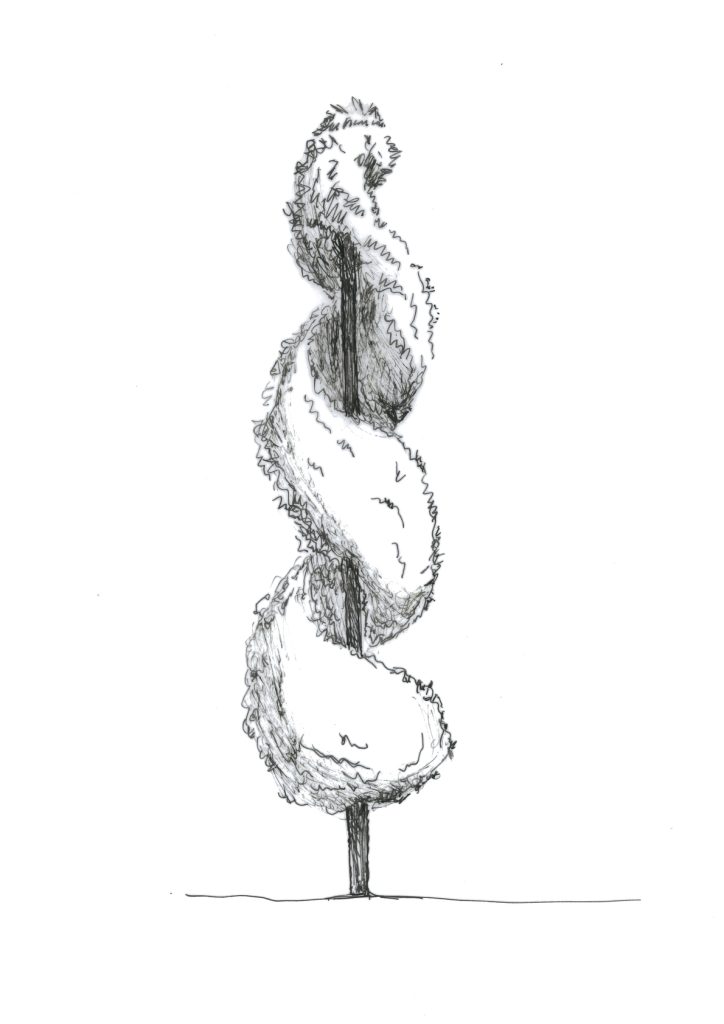
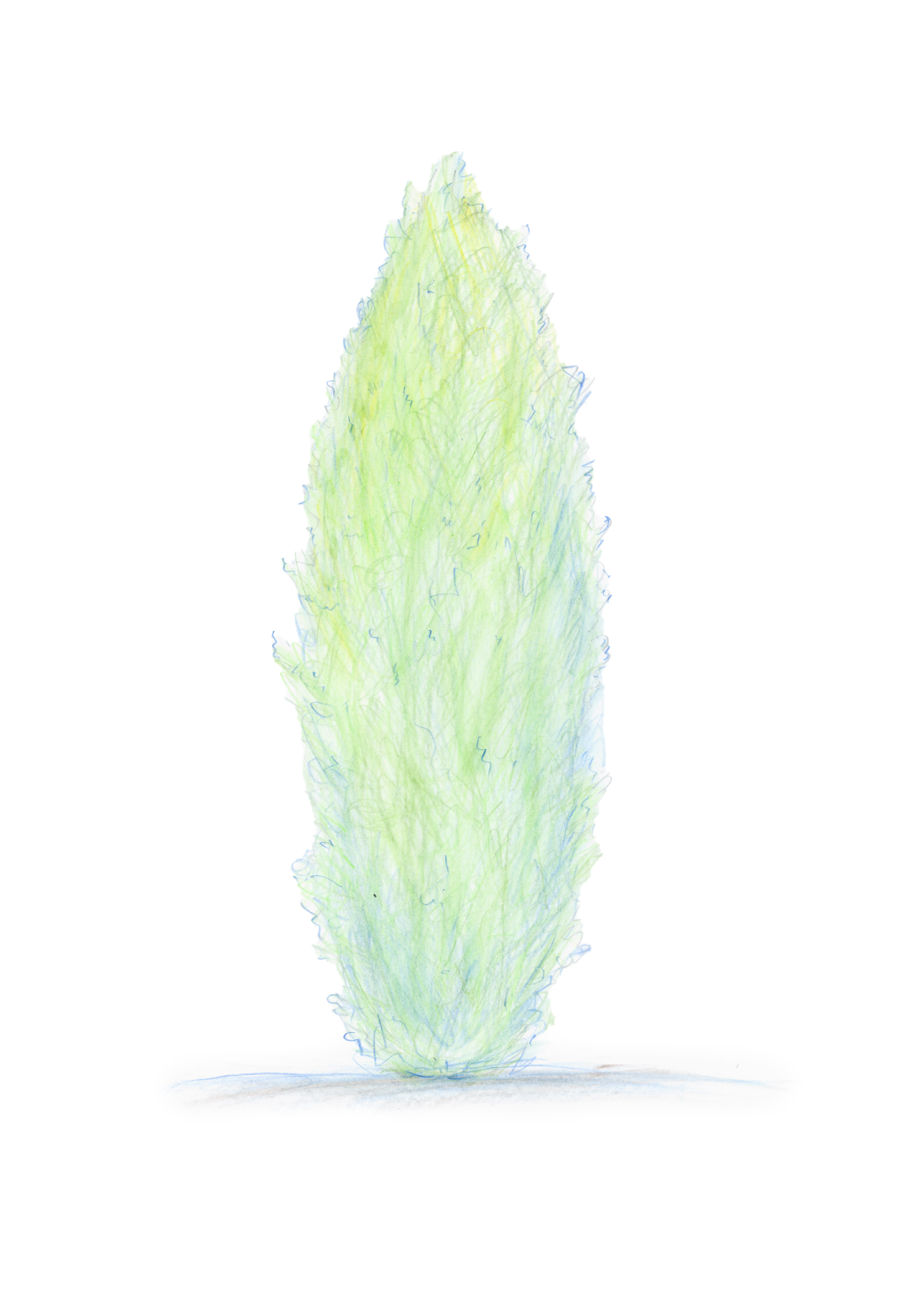
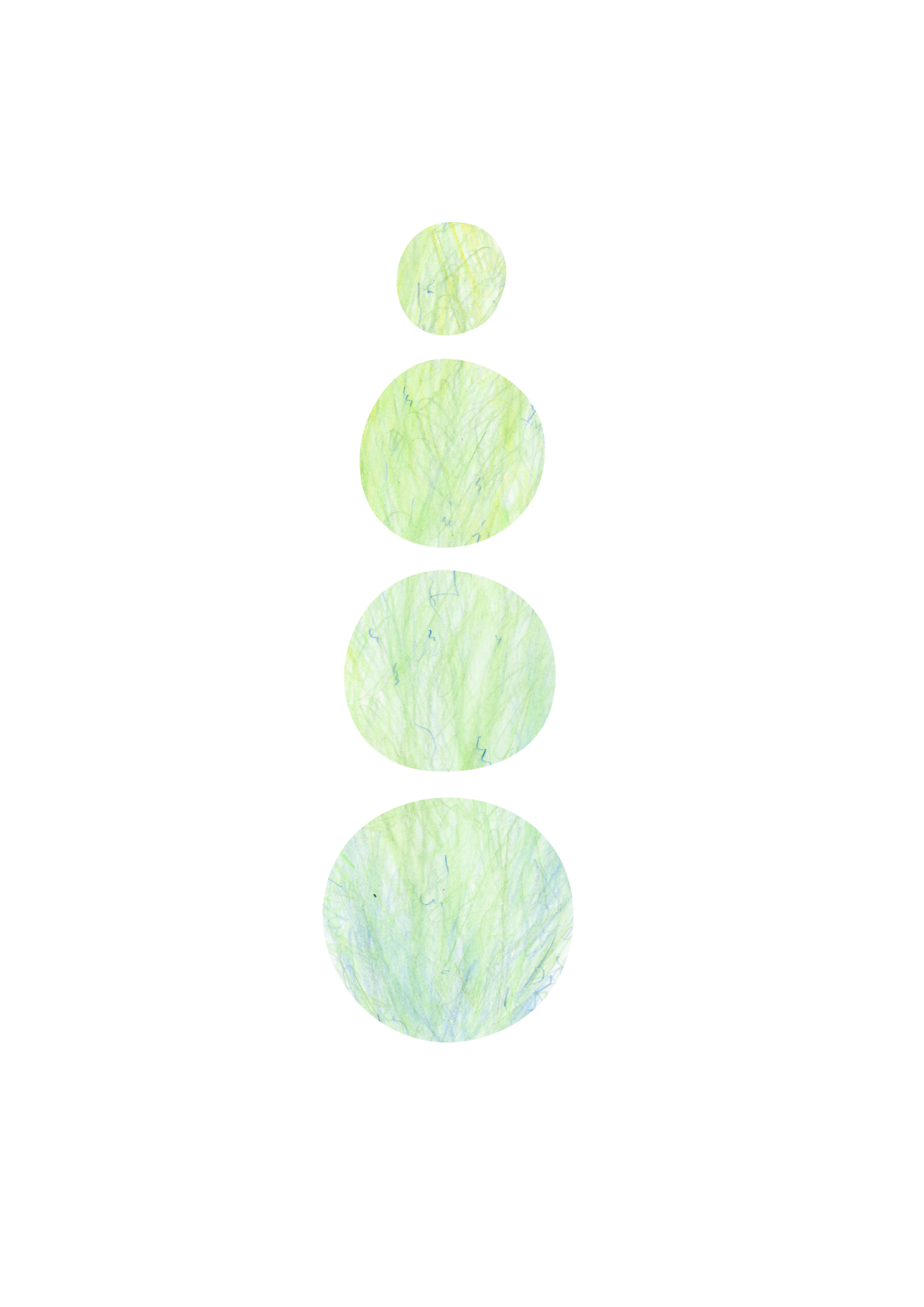
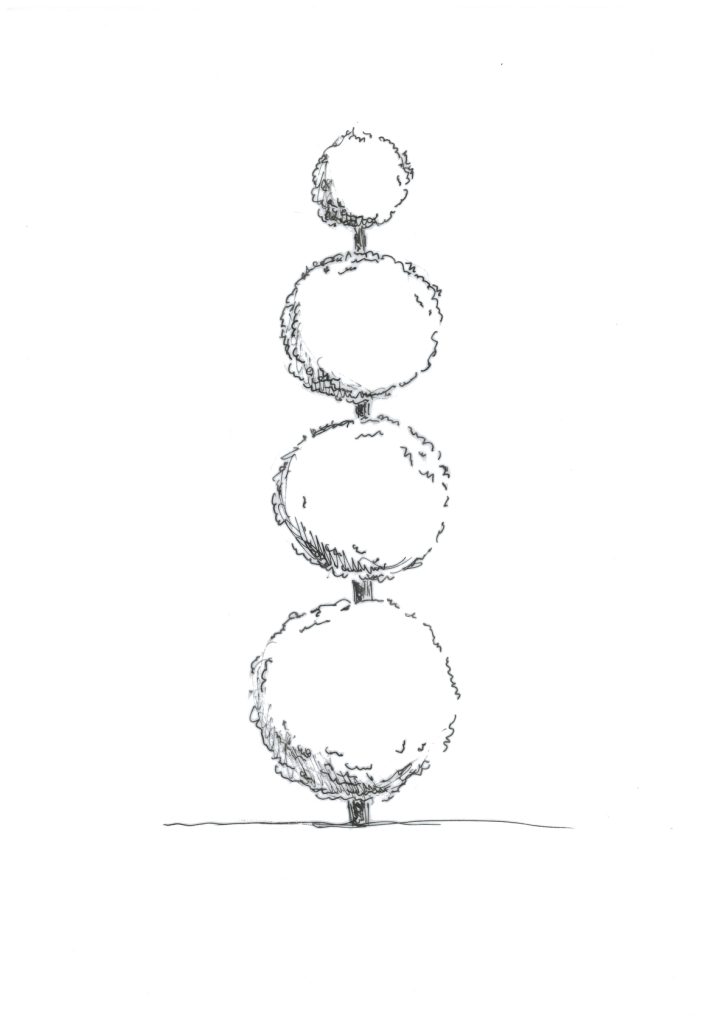
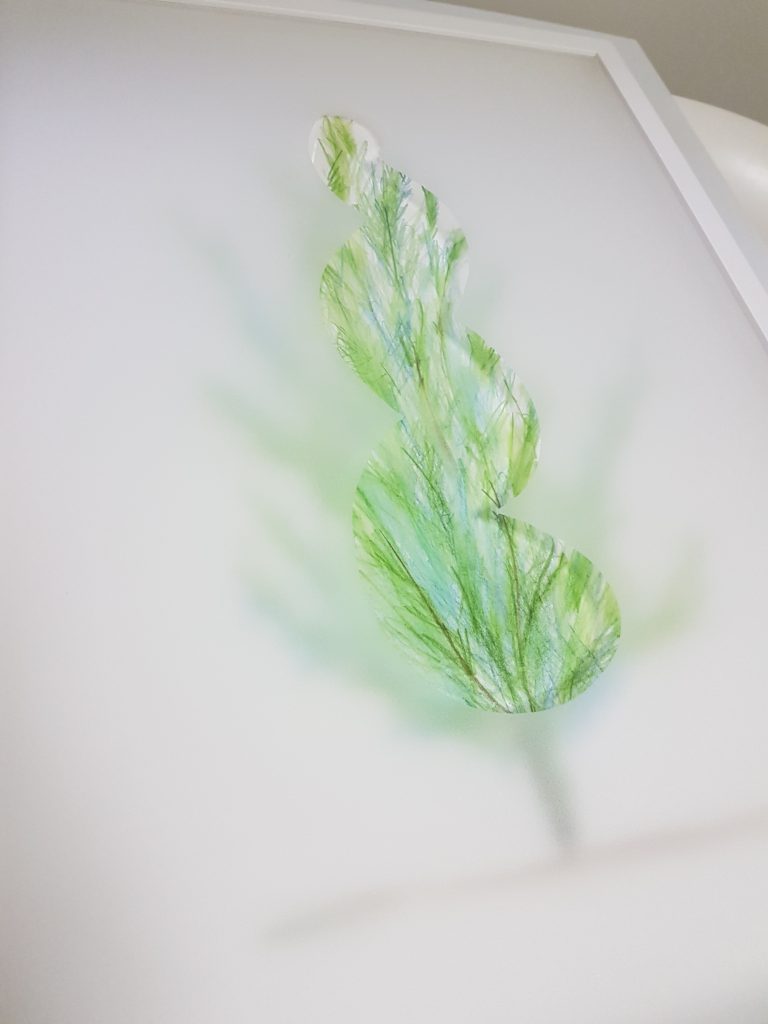
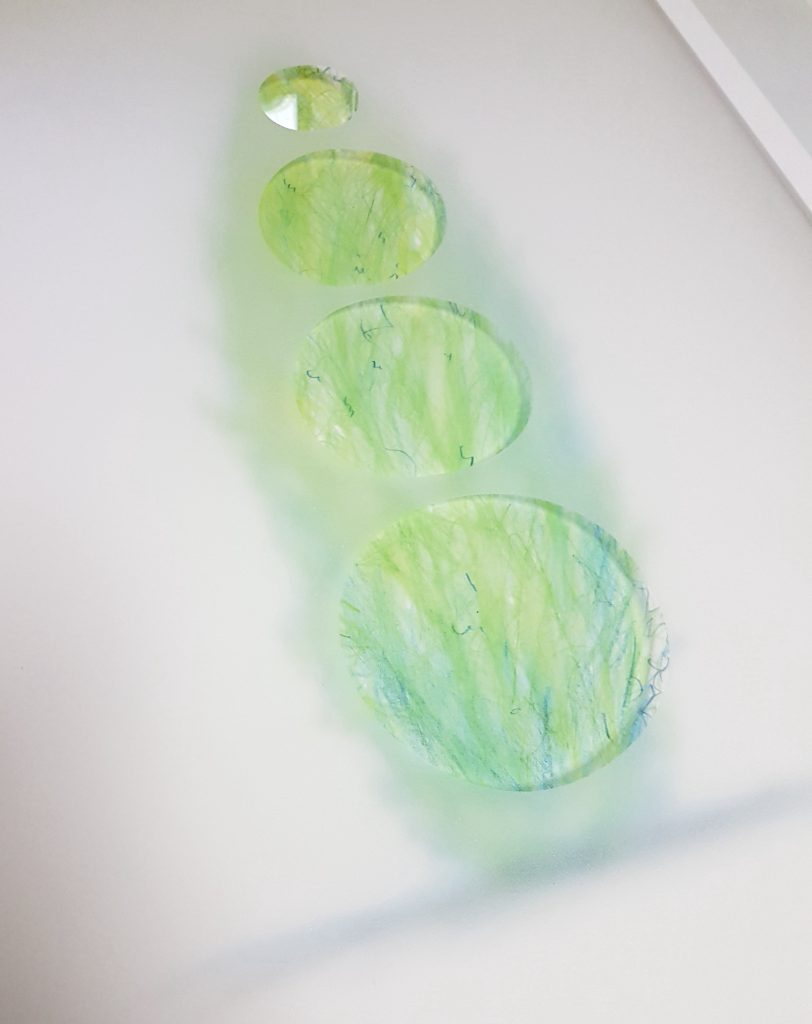
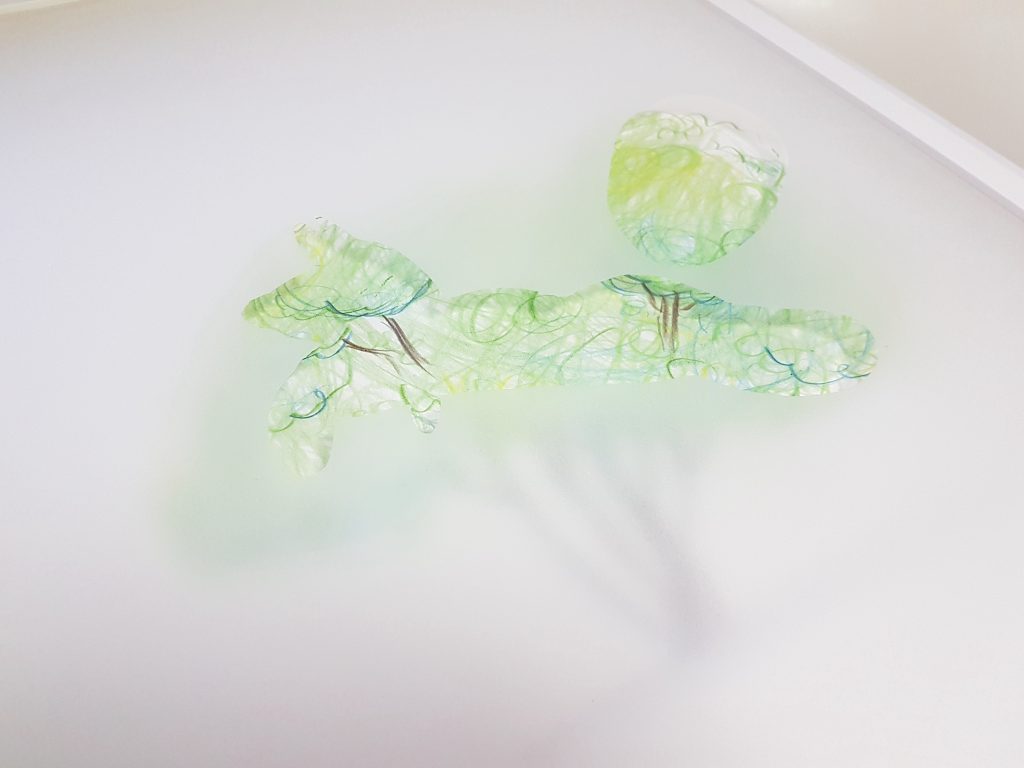
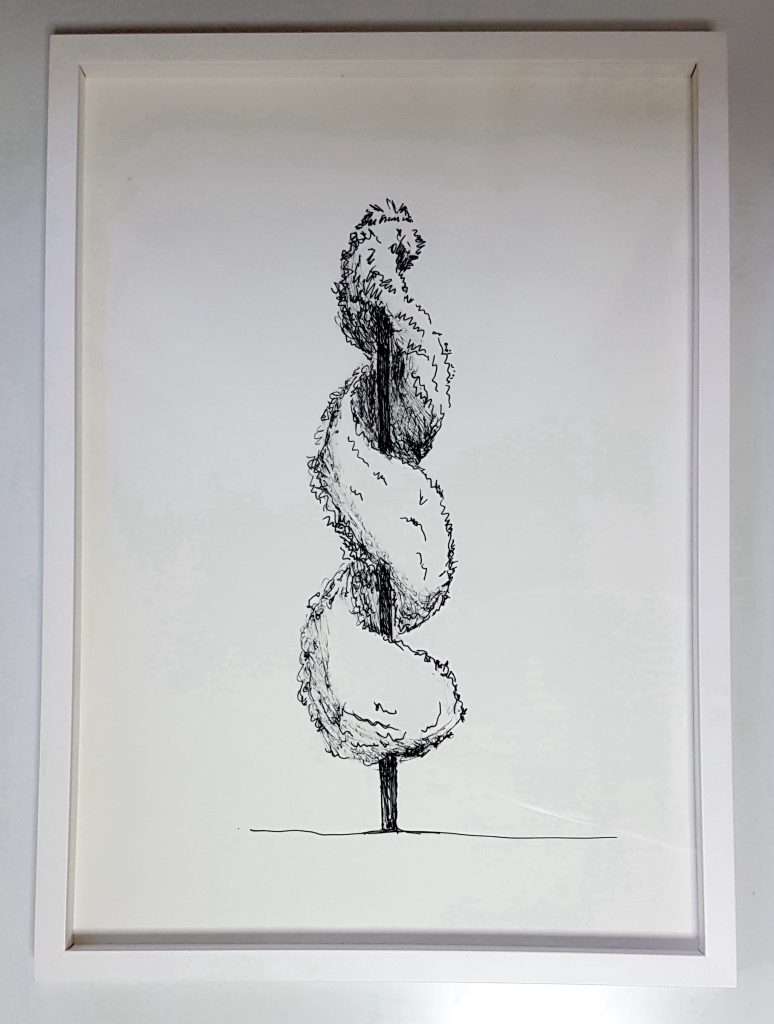
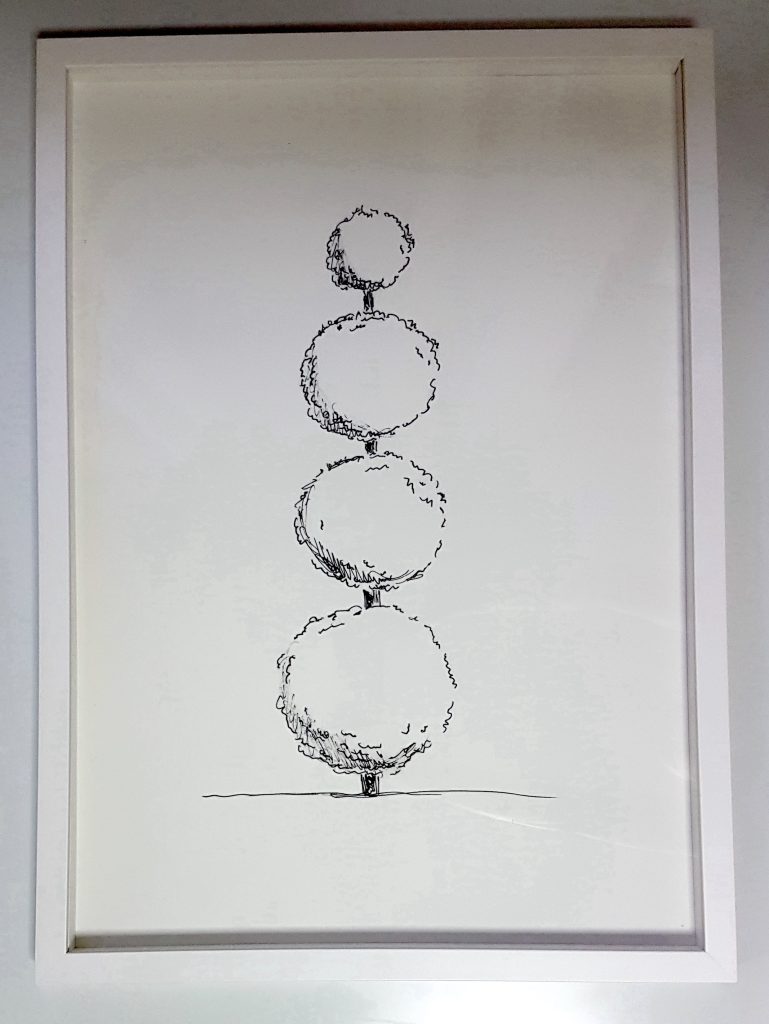
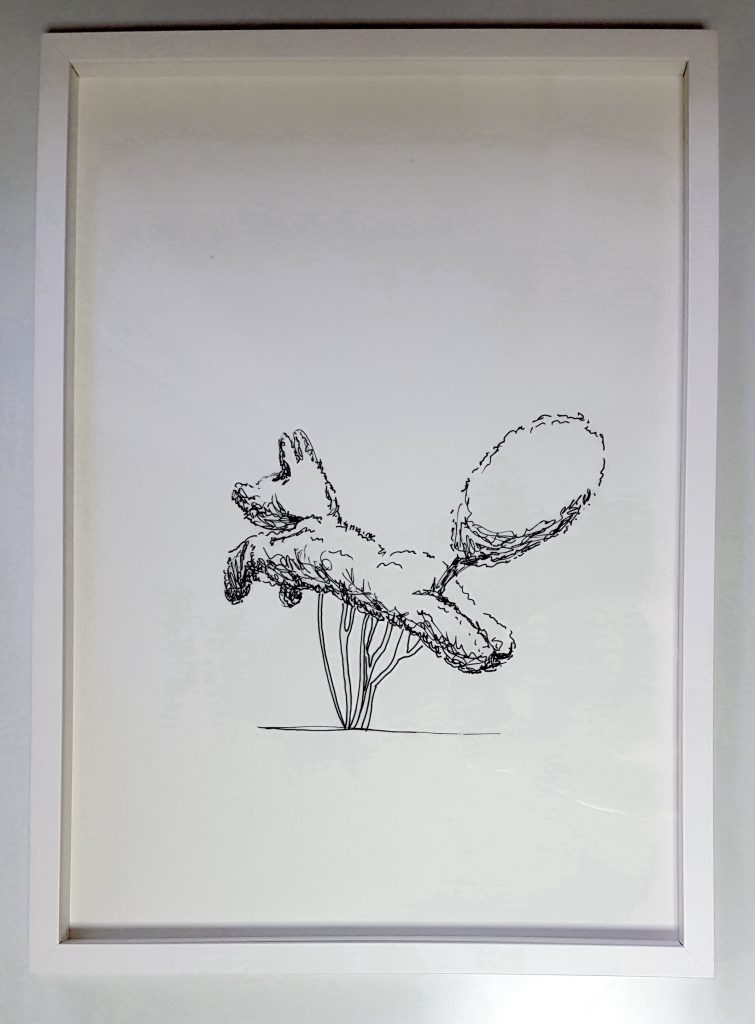
    The inspiration for the work came from ornamental gardening, which raises an aesthetic question: what is considered beautiful – a fertilized and pruned decorative plant, or a tree growing freely in an unrestricted environment? The form of the same species can vary significantly depending on the purpose; it all depends on what we expect from the shoot and where it grows. The originality and diversity inherent in nature are evident in every individual, with the environment determining its form.

    Is the form standard?

    The work embodies the existential question of essence and appearance, which arose through the reflection on education and upbringing. Every unique individual interacts with their environment.

    Which one affects the other?

    Is reality what appears to the viewer, or is it what the viewer is allowed to see? Is everything immediately visible on the surface, or is there something hidden beneath? How does the environment affect the observer or the observed? What kind of person does school shape us into, and what norms must we take into account in life? Is form the same as norm? What does society consider normal, and where should the boundary be drawn in aesthetics? Should we follow socially approved customs, or is the wild nature and self-growth more captivating?

    Look and you will see further!

    2019, mixed media, 62.5 x 45 cm (24.6 x 17.7 in)

  • Allergic to milk

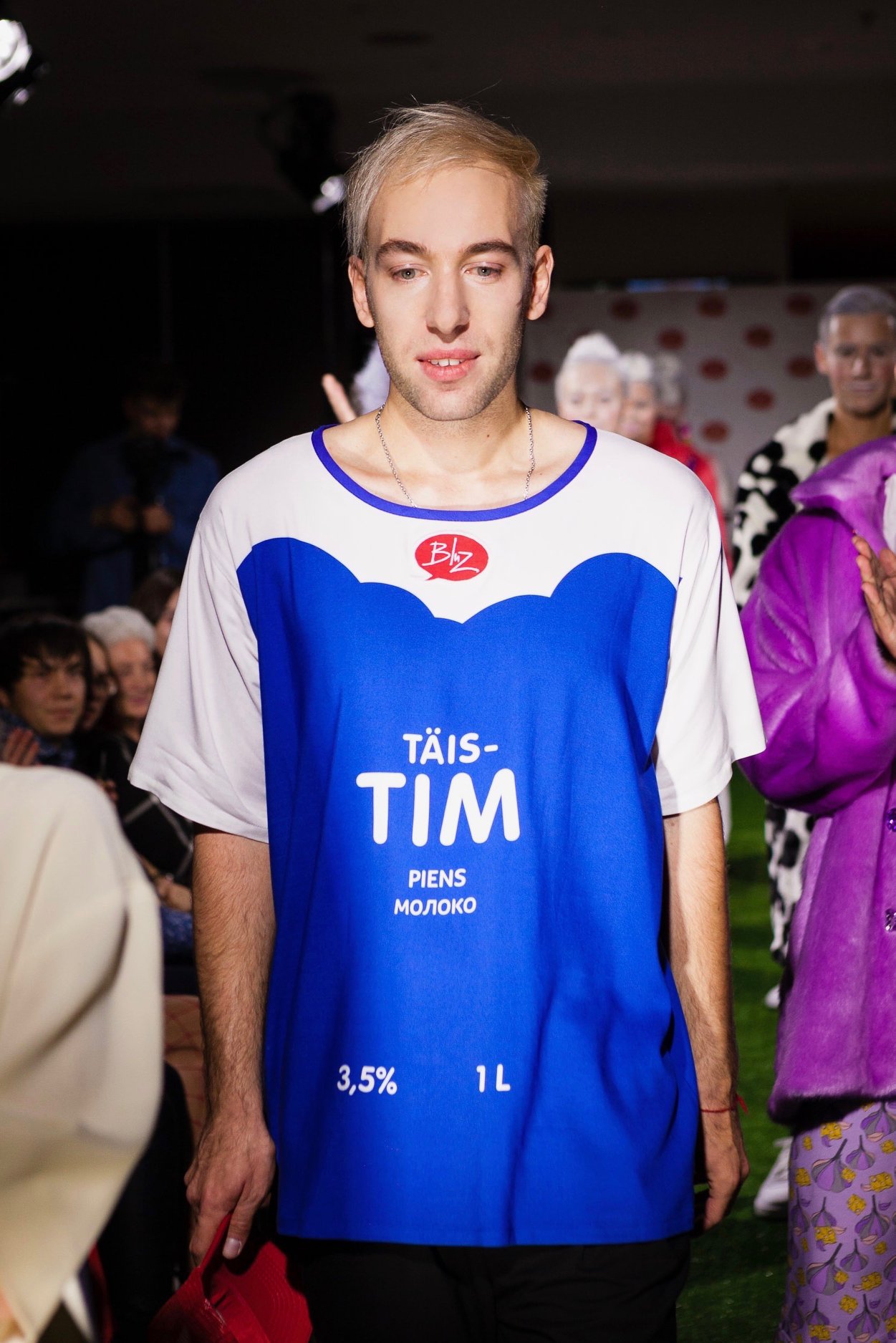
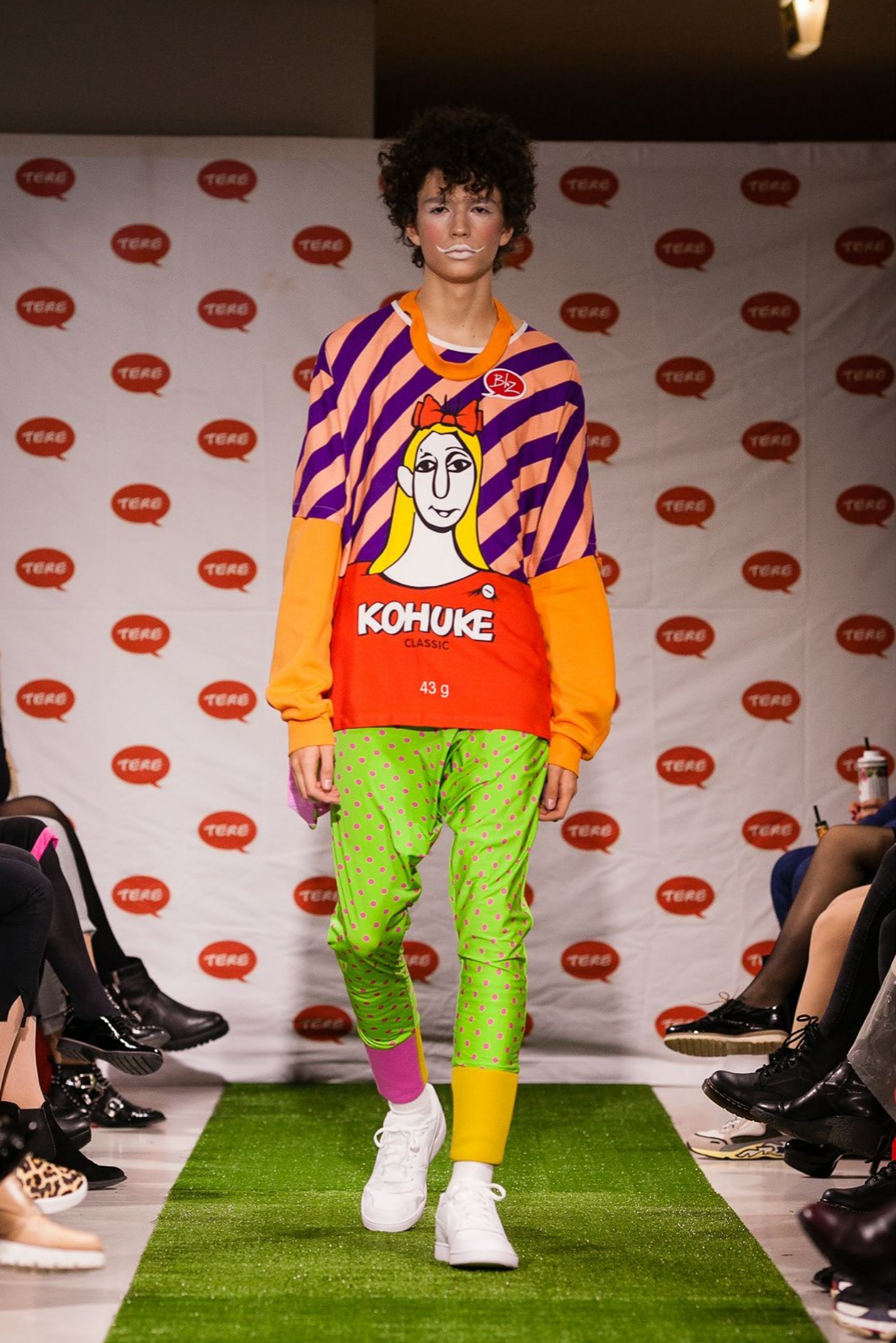
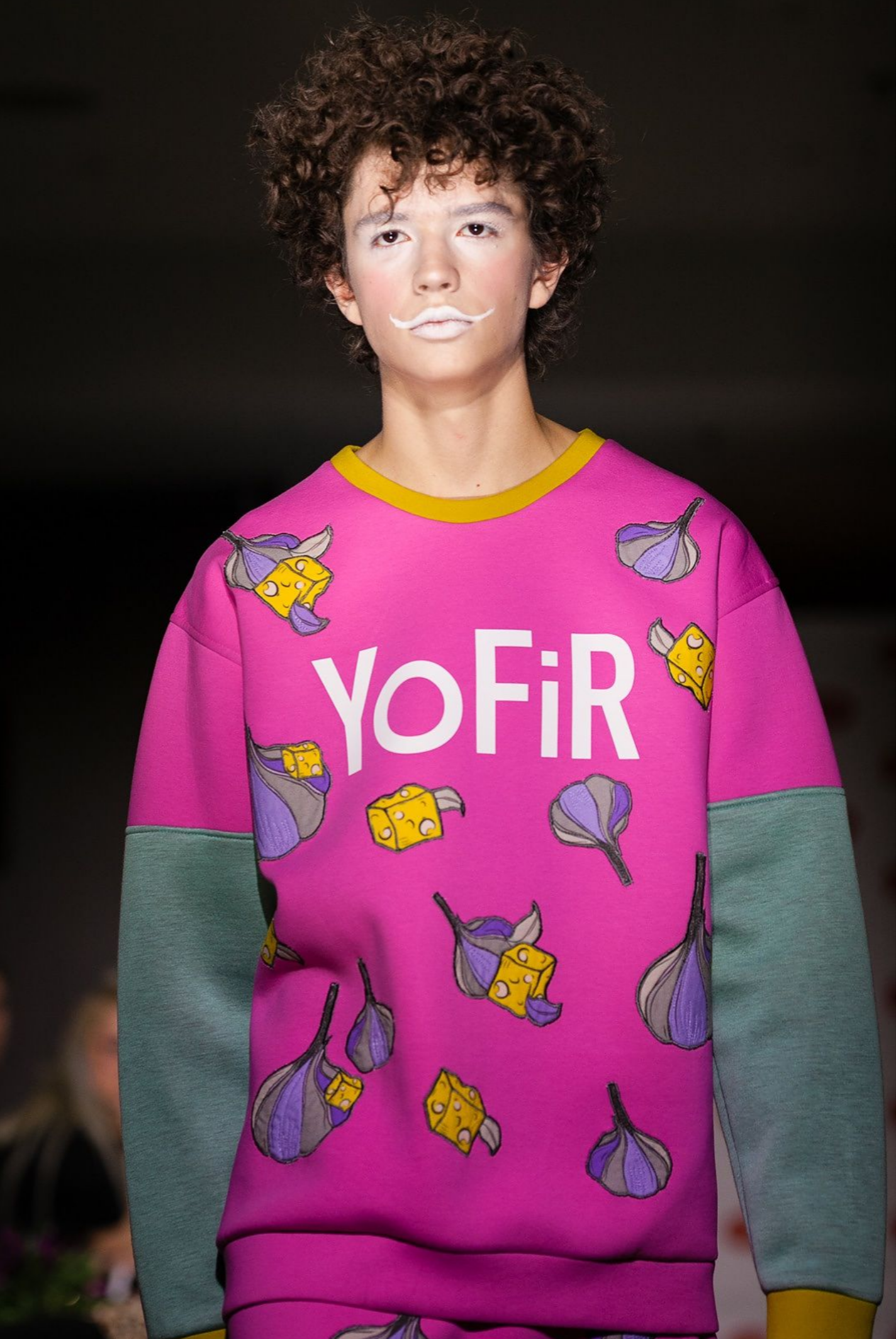
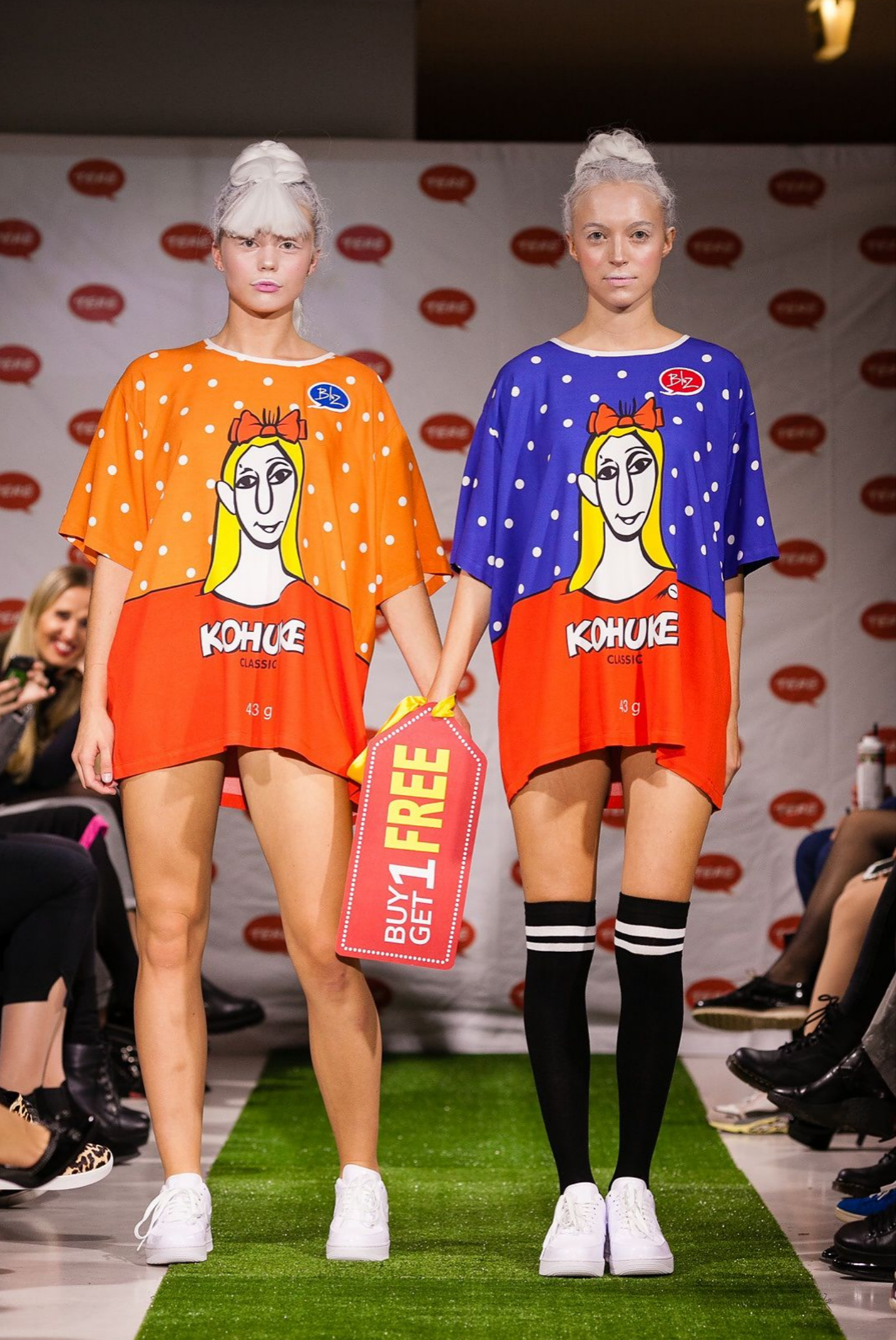
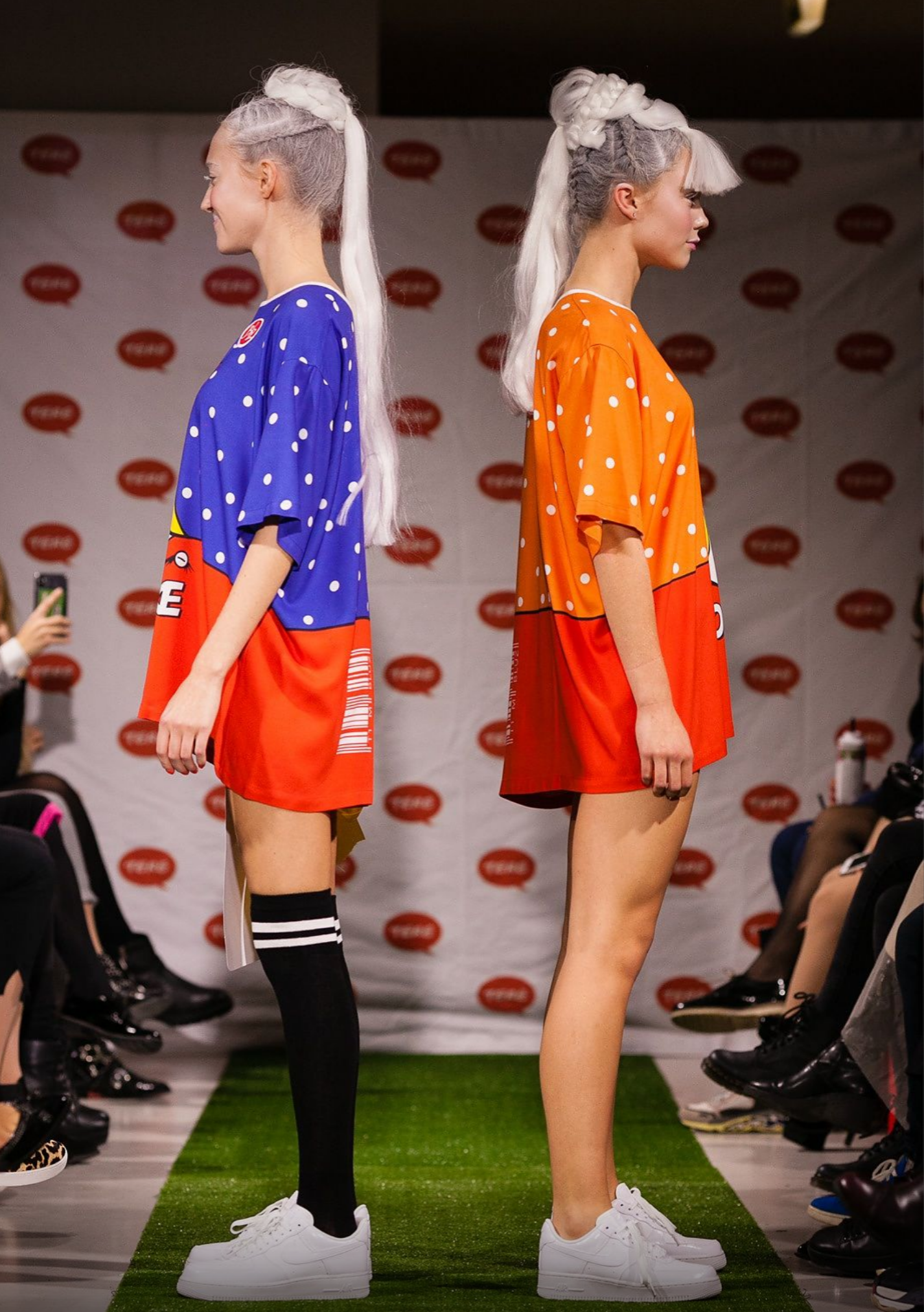
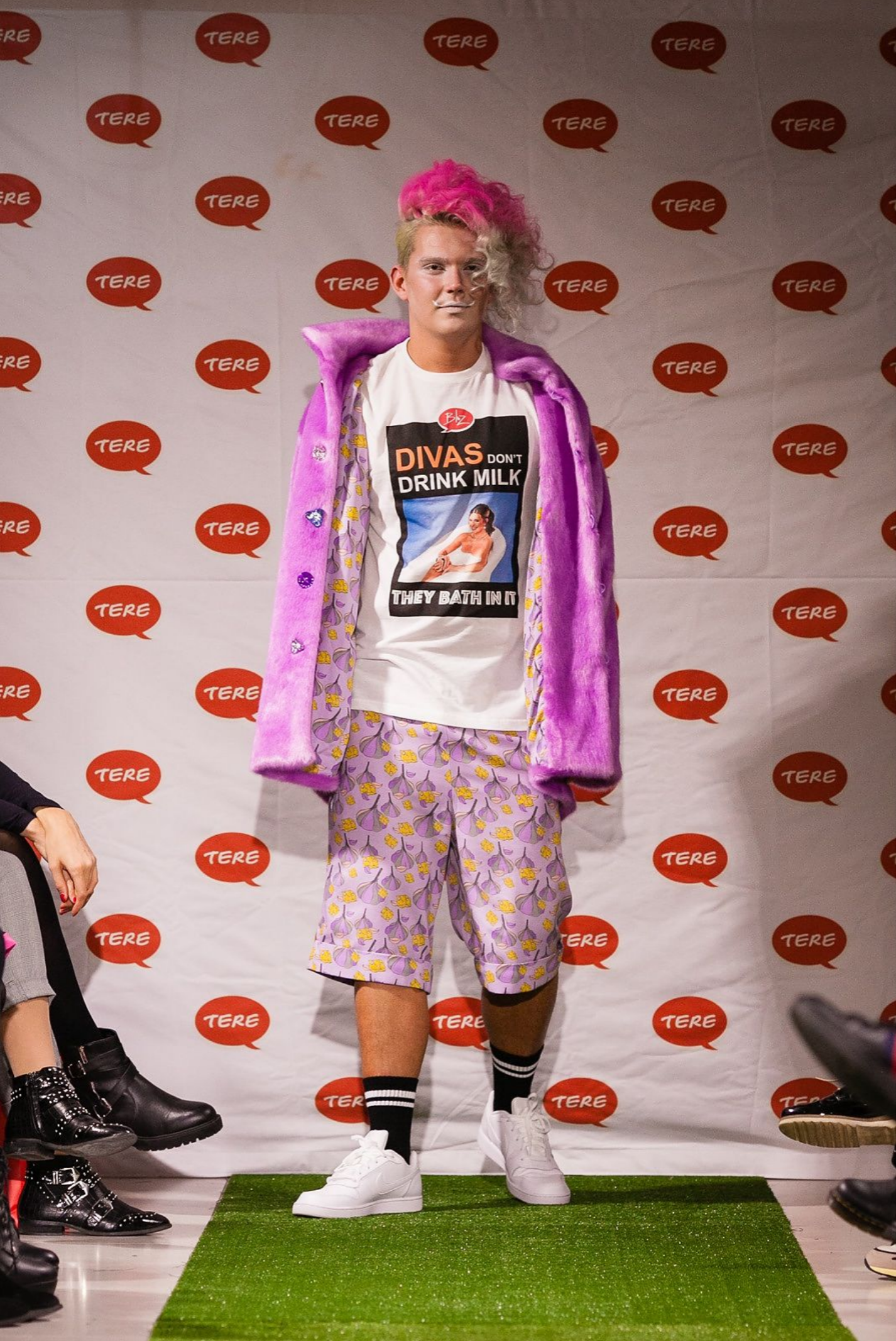
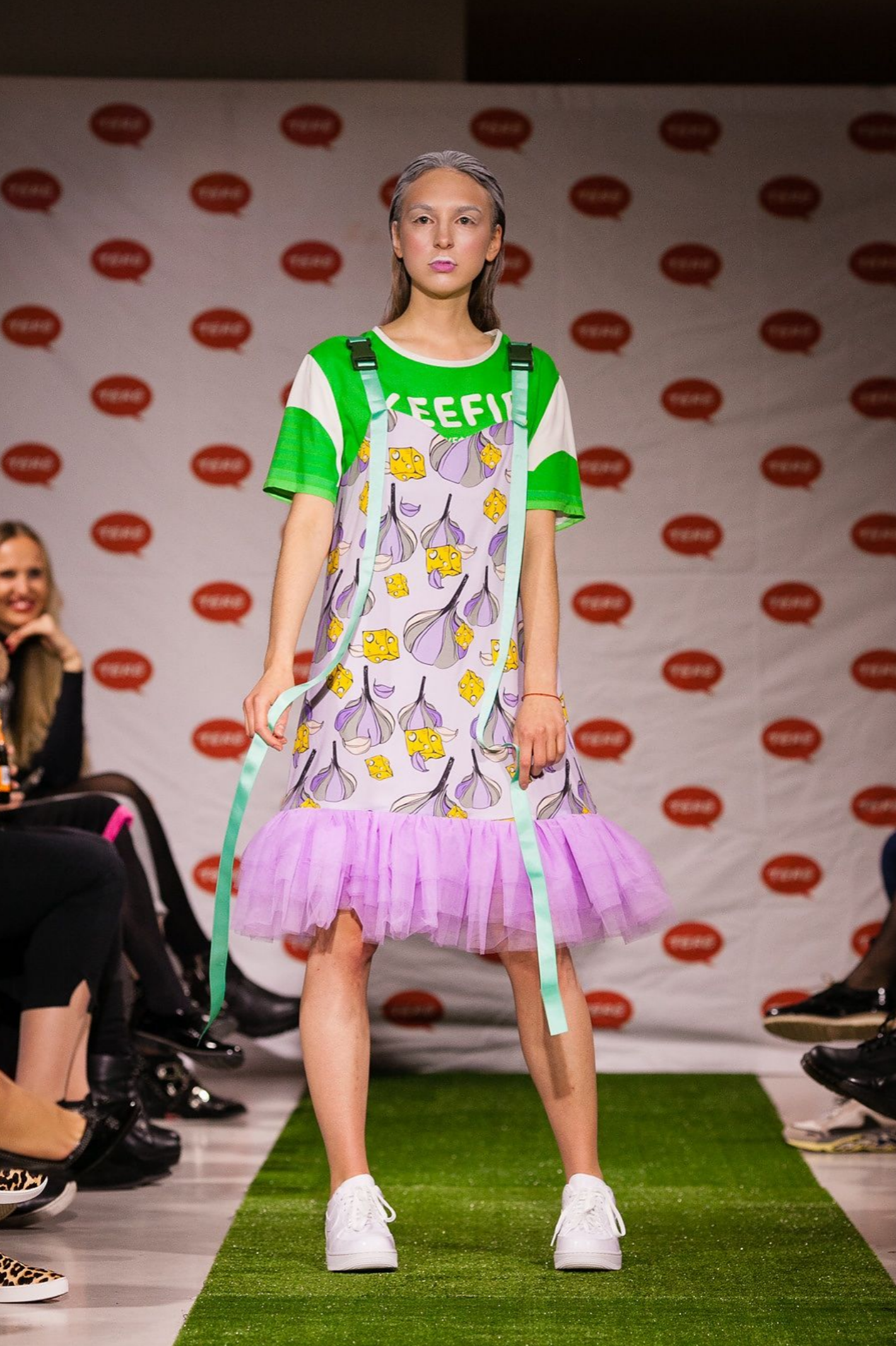
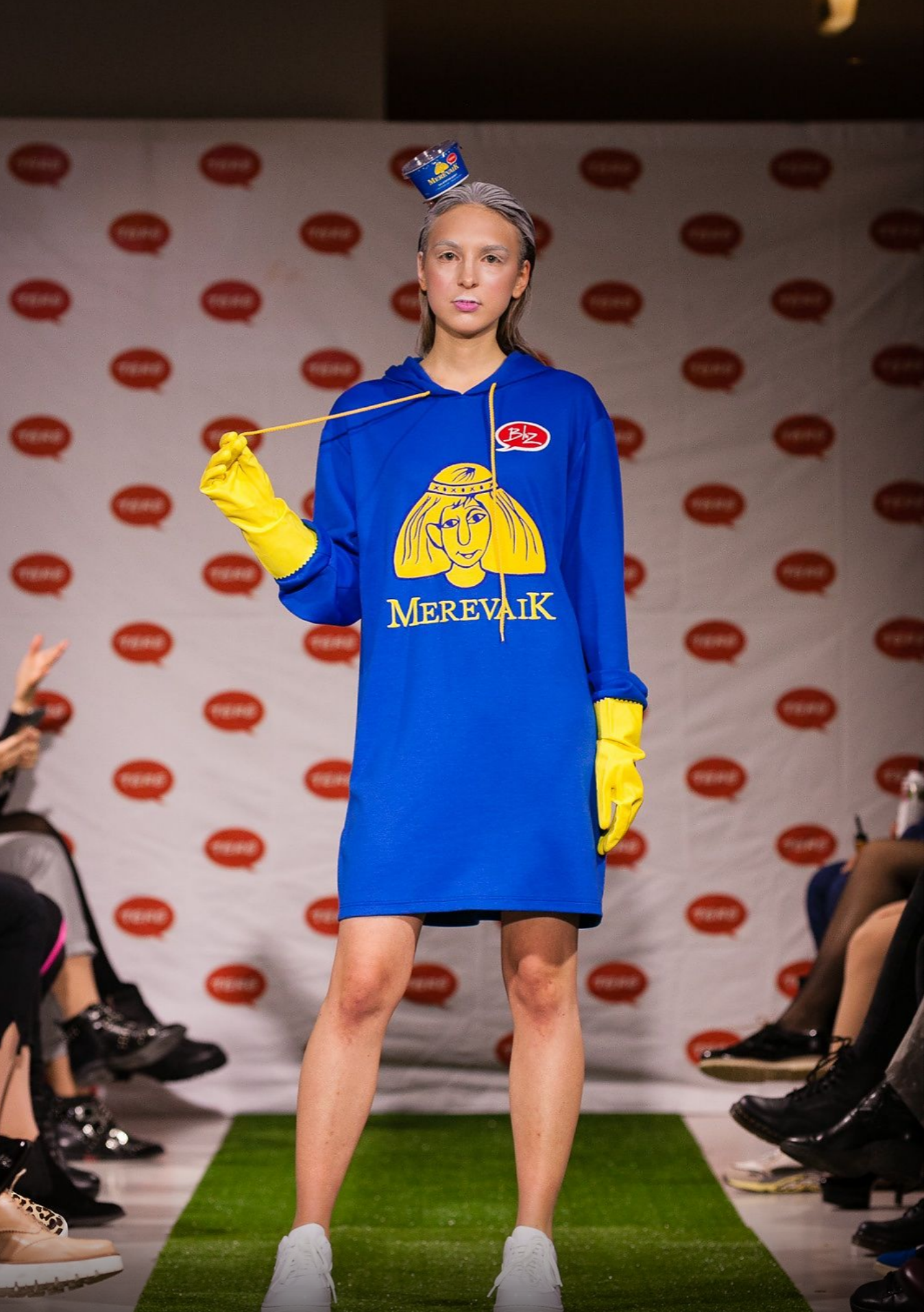
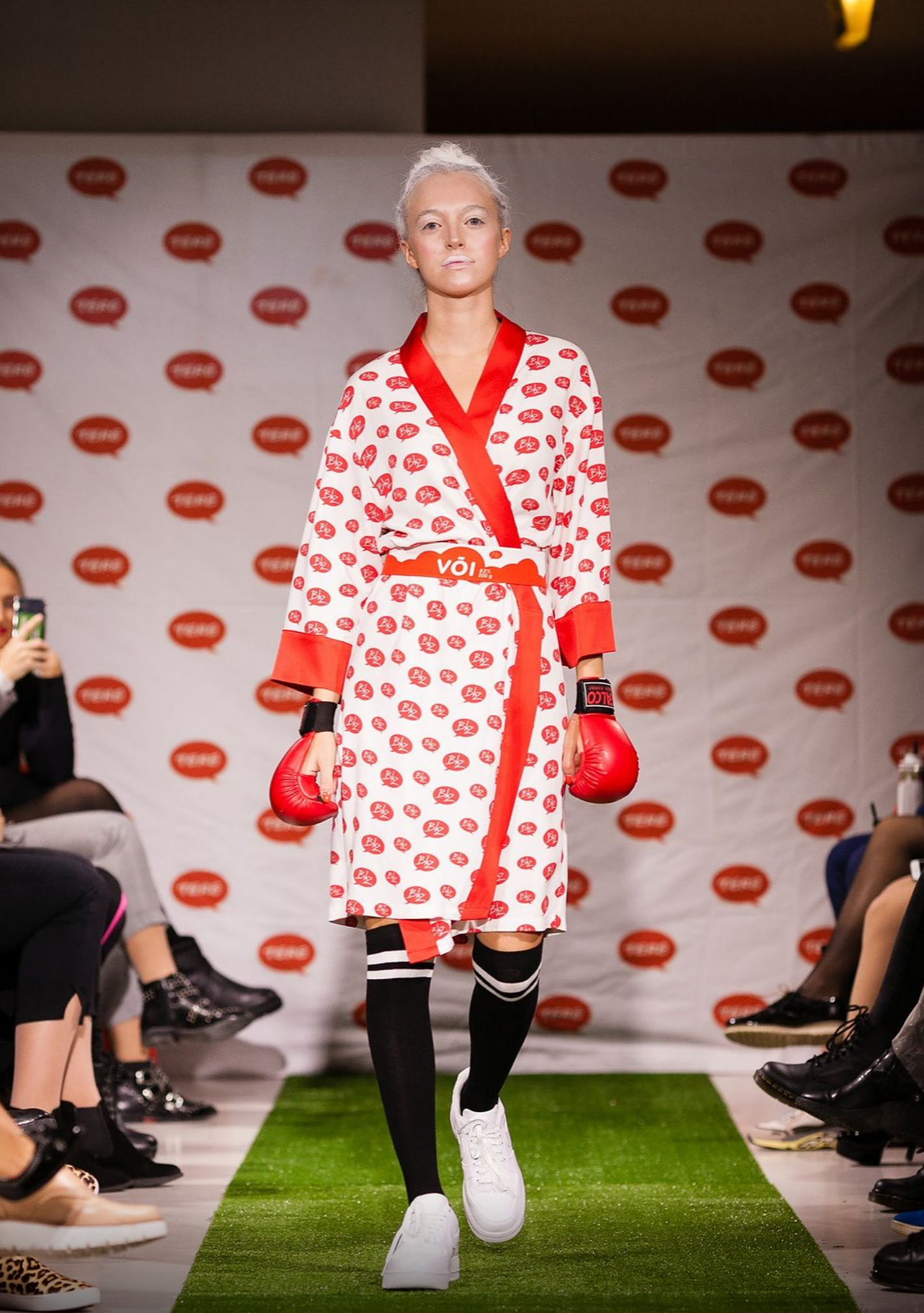
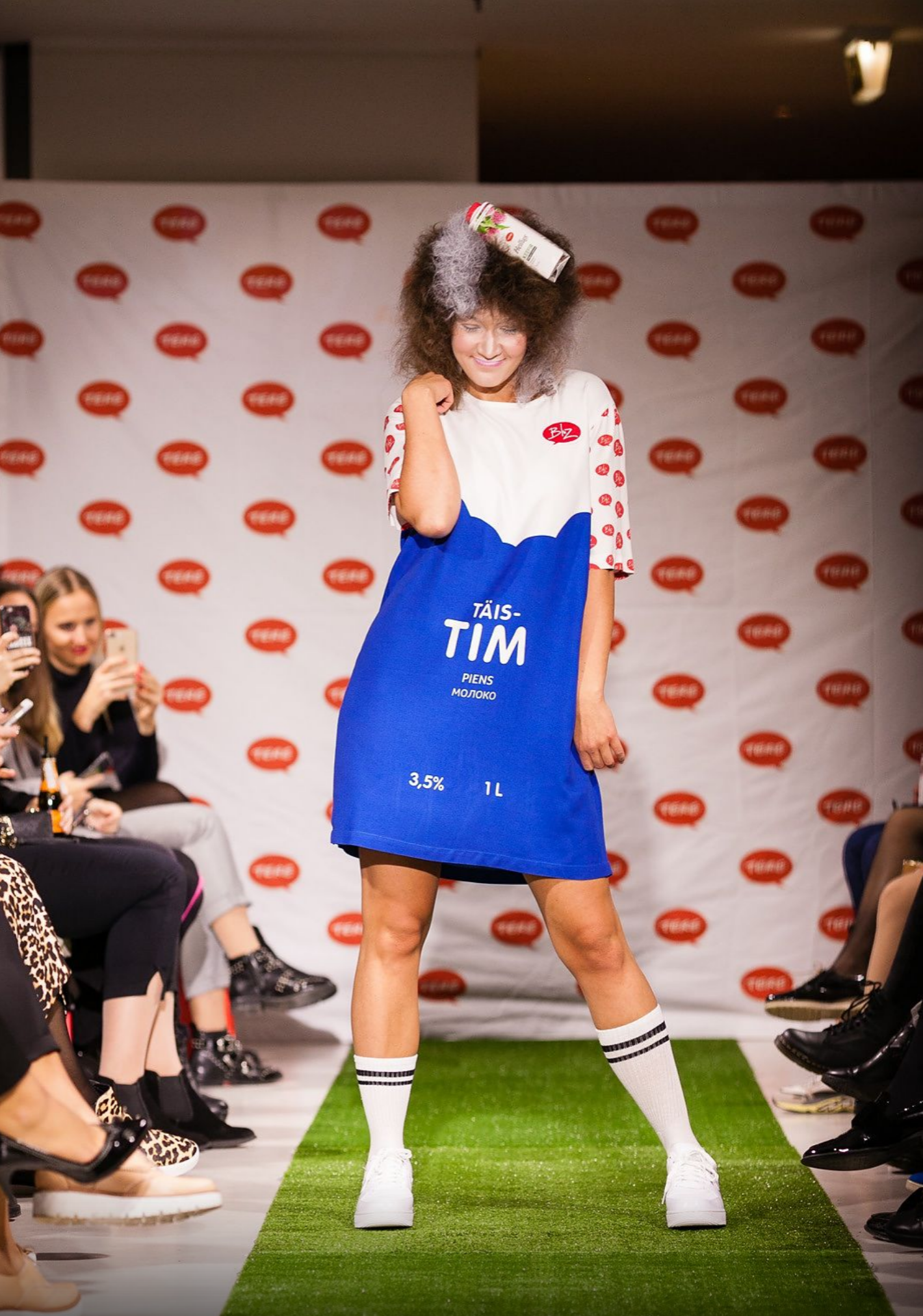
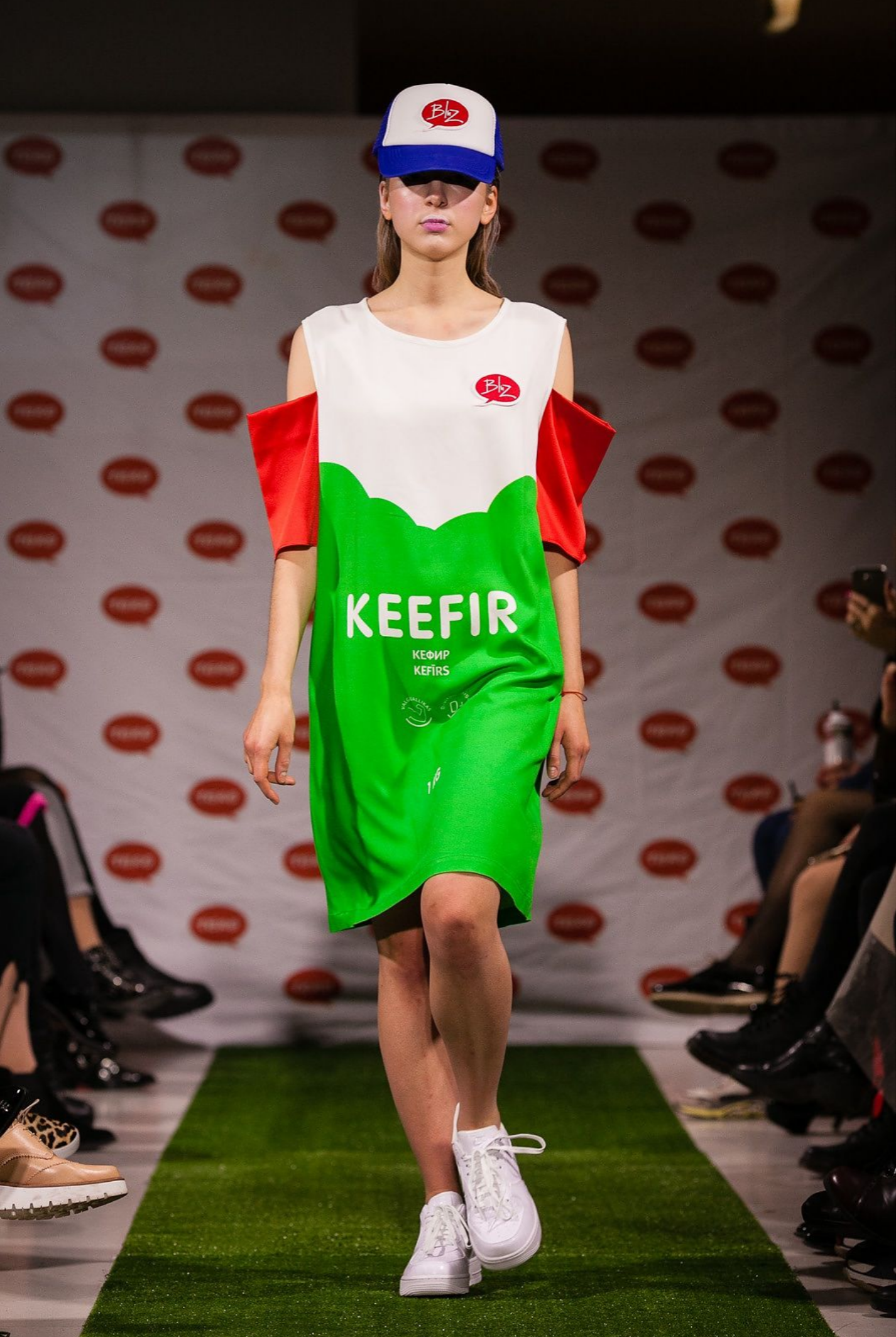
    This is the most fun part of my job! Designer Tim Bluz presented his collection “Allergic to Milk,” which exceeded all expectations. “If I can’t drink milk, then I can wear it!” he said. His collection was inspired by the packaging design of Estonian dairy products.

    The technical execution and preparations began several months before the fashion show—ideas, sketches, fabric samples, failures, and successes… Seeing the final result on the runway was far more impressive than any image on a computer screen.

    A big thank you to Tim for including me and trusting me. It was a true honor to be part of the backstage team.

    Read the news and view the photos.The Delfi story of Anne and Stiil

    Photographer: Maksim Toome

error: 2025 © Copyright Kristin Braks